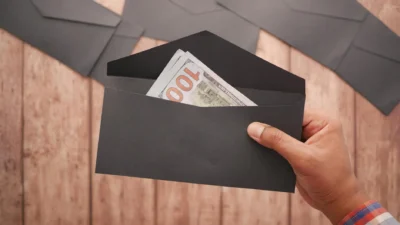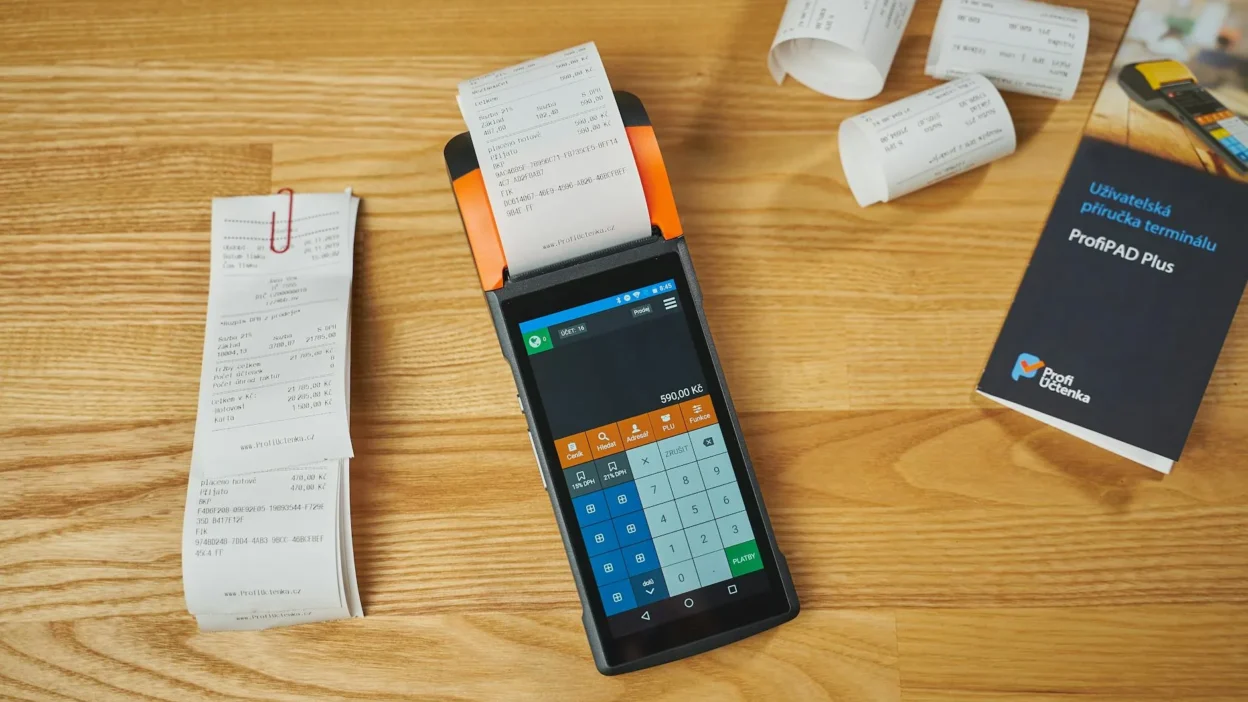
You’ve mastered the discipline of cash envelope budgeting. Your envelopes are labeled, your cash is allocated, and you feel in control… until you get home. Then, a crumpled wad of receipts spills from your pocket, destined for a junk drawer or the bottom of your purse. That neat, tangible system is suddenly undermined by paper clutter, making it a chore to remember what you spent and where. The frustration is real: you’re doing the hard work of using cash, but without a simple method to organize receipts with cash envelopes, you’re missing the full picture of your spending and the effortless reconciliation that makes the system truly powerful. Let’s fix that.
The best way to organize receipts with cash envelopes is to integrate them directly into your budgeting workflow. Assign one envelope per spending category, not just for cash but also for its corresponding receipts. Process receipts daily by noting the purpose, then file them chronologically in the envelope. This creates a self-contained system for easy spending review and budget reconciliation.
Why Your Cash Envelopes Need a Receipt System
Your cash envelopes are a powerful tool for controlling spending, but without a plan for the paper trail, you’re only getting half the benefit. A dedicated system for cash envelope receipt tracking transforms your budget from a simple spending limit into a complete financial record. It’s the missing piece that turns intention into insight.
Think of it this way: the cash in the envelope tells you how much you can spend, but the receipts tell you how you did spend. This is crucial for envelope budgeting receipts management because it allows for accurate reconciliation. At the end of the week or month, you can match your physical cash against your receipts to see exactly where every dollar went, catching any discrepancies or forgotten transactions. It also provides proof of purchase for returns or warranties and, perhaps most importantly, reduces the mental clutter of a jumbled receipt pile. A good receipt management cash system isn’t an optional extra; it’s what makes the entire method sustainable and insightful.
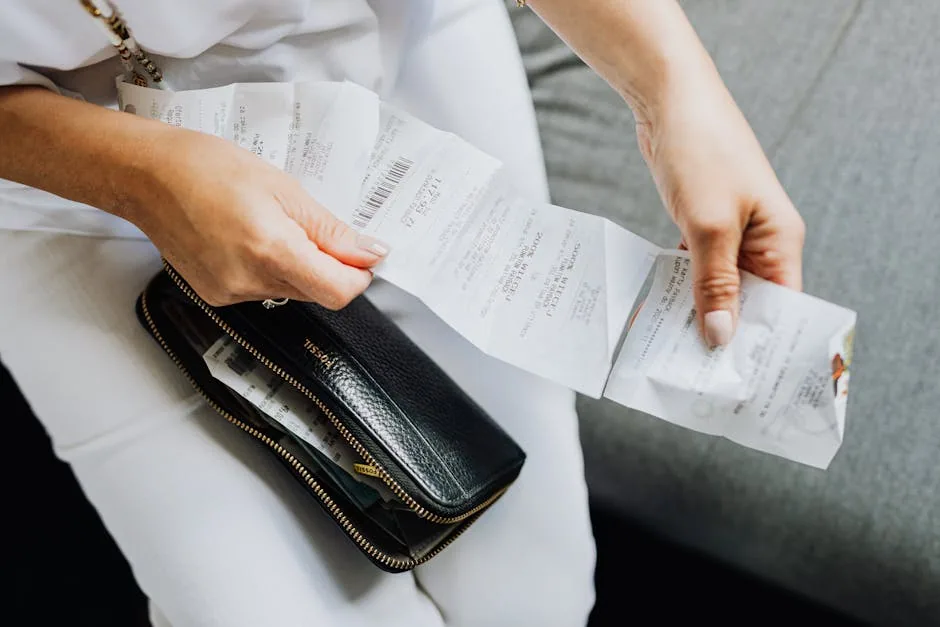
Photo by www.kaboompics.com on Pexels
The Simple 4-Step Receipt Protocol
This protocol integrates receipt handling directly into your existing cash routine. Follow these four steps to create a seamless, self-contained system for organizing receipts for envelope budgeting.
Step 1: Designate & Label
Each cash envelope must also serve as a receipt envelope. If your “Groceries” envelope holds cash, it will also hold all grocery receipts. Clearly label each envelope with its category. For categories with frequent small receipts (like “Dining Out”), consider using a slightly larger envelope or a durable plastic sleeve to prevent tearing.
Step 2: Capture & Note
The moment you complete a cash transaction, immediately place the receipt in your wallet or a specific pocket—don’t crumple it into a bag. Then, process it daily. When you get home, take 30 seconds to write a quick note on the receipt: the date (if not printed clearly), the store, and a one-word purpose (e.g., “weekend dinner,” “school supplies”). This habit is the core of effective tracking receipts with cash envelopes.
Step 3: File & Store
Now, file the noted receipt into its corresponding category envelope. Place it behind the cash, or if you prefer, in front. The key is consistency. This act of filing creates a chronological record within each envelope. For storage, keep all your active envelopes together in a box, binder, or dedicated drawer.
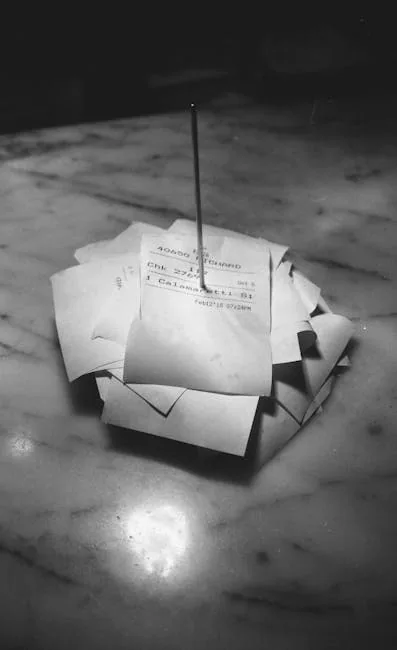
Photo by Nestor Luis on Pexels
Step 4: Review & Reconcile
Once a week, during your budget check-in, empty each envelope. Count the remaining cash, then add up the total from the stack of receipts. The sum of the remaining cash and the spent receipts should equal your original category budget. This five-minute review is where the magic happens—it confirms your spending and informs your decisions for the week ahead.
Common Cash Envelope Receipt Mistakes (And How to Fix Them)
Even with the best intentions, a few common pitfalls can derail your cash envelope receipt system. Here’s how to spot and fix them.
Mistake: Stuffing receipts randomly into a purse or junk drawer. Fix: Designate one specific pocket in your wallet or bag only for unprocessed receipts. This is your temporary holding zone until you can file them.
Mistake: Letting receipts pile up for “processing later.” Fix: “Later” rarely comes. Link receipt processing to an existing daily habit, like unloading your keys or making your evening coffee. The daily 30-second note is non-negotiable for maintaining receipt storage for cash budgeting.
Mistake: Mixing categories or using one “catch-all” receipt envelope. Fix: This destroys the point of category-based budgeting. Be strict. A receipt from a big-box store might need to be split if it contains items from multiple categories (e.g., groceries and home goods). Note the split on the receipt before filing.
Mistake: Throwing receipts away too soon. Fix: Establish a simple retention rule. For example, keep all receipts until you successfully reconcile that category’s budget for the month. For major purchases, move the receipt to a long-term tax or warranty file instead of discarding it with daily spending.
Making Your System Stick: Habits & Tools
The best system is the one you actually use. To make this protocol effortless, build low-friction habits and use simple, cheap tools. Start by creating a “drop zone” at home—a small tray or bowl near where you empty your pockets. This is where unprocessed receipts go until you do your daily note.
Use physical tools that reduce friction. A binder clip in your car’s console can hold the day’s receipts. A simple accordion file can store past months’ reconciled receipts if you need to keep them. The goal isn’t to buy fancy products, but to remove tiny points of resistance.
Finally, ritualize your weekly review. Pair it with something enjoyable, like your favorite podcast or a cup of coffee. This 5-10 minute habit ensures your budget envelope receipt filing stays accurate and gives you a clear, confident picture of your finances. Your next step? Implement the 4-step protocol starting with your very next cash transaction.
Unlock the Full Power of Your Cash System
A pile of cash tells an incomplete story. The real financial insight—the how and why behind your spending—is captured on those little slips of paper. By integrating a simple receipt protocol directly into your cash envelope routine, you move from guessing to knowing. You gain proof, clarity, and a reliable record that makes budget reconciliation a quick check instead of a dreaded chore.
This isn’t about adding more work; it’s about working smarter within the system you’ve already chosen. The four-step method turns receipt chaos into a streamlined process that supports your goals. Start tonight. Gather your current receipts, label your envelopes, and take that first small step. Your budget—and your peace of mind—will thank you.