You open your credit card statement, and a familiar knot of dread tightens in your stomach. The bill is higher than you expected—again. Was it the heat wave that spiked the electric bill, or did you forget about that annual software subscription quietly renewing? This feeling of financial fog, where predictable costs blend with unpredictable spikes, is what makes personal budgeting feel so futile. The good news is that clarity doesn’t require complex software or a finance degree. It starts with a single, simple tool: a bill tracking sheet checklist. This isn’t just another budget; it’s your unified command center, designed to bring both your fixed monthly bills and your fluctuating variable expenses into one clear view, transforming anxiety into actionable awareness.
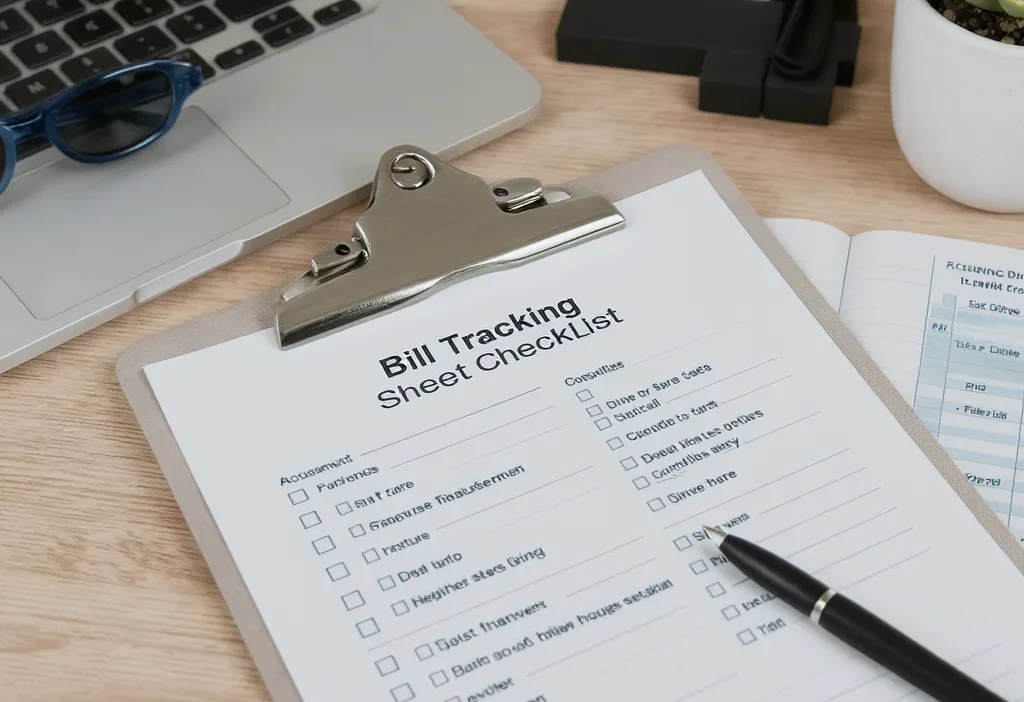
A bill tracking sheet checklist is your central command center for both predictable and unpredictable expenses. It combines fixed monthly costs with variable spending in one simple template, giving you immediate visibility and control over your cash flow. The core checklist includes essential columns for the bill name, due date, estimated amount, actual amount paid, payment status, and a notes section to log the reasons behind any fluctuations.
Your Core Bill Tracking Sheet Checklist

Photo by olia danilevich on Pexels
This is your central command center. Your bill tracking sheet checklist isn’t just a list of bills; it’s a structured template that captures everything you need to know at a glance. Create one in a notebook, a simple spreadsheet, or a notes app. Here are the essential columns to include:
- Bill Name: The specific name of the expense (e.g., “Electricity,” “Netflix,” “Car Insurance”).
- Due Date: The day of the month payment is required. For variable due dates, note the typical range (e.g., “1st-5th”).
- Estimated Amount: Your best guess for the upcoming bill. For fixed bills, this is easy. For variable ones, use an average from past months.
- Actual Amount Paid: The exact sum you paid when the bill arrived. This is where your variable bill tracking becomes real data.
- Status: A simple indicator like “Paid,” “Upcoming,” or “Due Soon.” This turns your list into an action plan.
- Notes: The most powerful column. Use it to jot down why a variable bill was high (“hot July”), when a free trial ends, or payment confirmation numbers.
This simple framework transforms a scattered mental load into a clear, manageable system. It’s the foundation of both a recurring bill tracker and a log for unpredictable costs.
How to Use Your Checklist: Two Real Scenarios
Photo by Meruyert Gonullu on Pexels
Let’s make this concrete. Here’s how to fill out your budget tracking sheet for two very different types of expenses.
Scenario 1: A Predictable, Recurring Bill (Mortgage/Rent)
This is where your system builds momentum. The data is consistent, making entry quick and reinforcing the habit.
- Bill Name: Apartment Rent
- Due Date: 1st
- Estimated Amount: $1,200
- Actual Amount Paid: $1,200
- Status: Paid (on the 28th)
- Notes: “Auto-pay from checking. Lease renewal in October.”
See how simple that is? Your recurring payment tracker column for “Actual Amount” will often match “Estimated,” giving you a win and solidifying your baseline expenses.
Scenario 2: A Highly Variable Expense (Groceries)
This is where the magic happens. Tracking variability reveals your true spending patterns.
- Bill Name: Groceries
- Due Date: Weekly (Sundays)
- Estimated Amount: $125
- Actual Amount Paid: $158
- Status: Paid
- Notes: “Stocked up on pantry staples + hosted a friend for dinner.”
That “Notes” column is critical. Instead of just seeing an over-budget number and feeling stressed, you have the context. Next week’s “Actual” might be $95 because you’re cooking from the stocked pantry. This is variable expense log intelligence in action.
Dos and Don’ts for Effective Bill Tracking
To get the most from your bill management checklist, follow these simple best practices and avoid common traps.
Do:
- Do review and update weekly. A quick 5-minute session prevents a monthly scramble and keeps you aware of cash flow.
- Do note seasonal patterns. Write “higher in winter” for heating or “summer childcare” in your Notes. This improves next year’s estimates.
- Do include small subscriptions. That $4.99 app fee matters. It’s the small leaks that often sink the budget ship.
- Do reconcile with your bank statement. Once a month, match your “Paid” column with your account transactions. This catches errors and doubles as a fraud check.
Don’t:
- Don’t ignore the variable costs. If you only track fixed bills, you’re missing a huge part of your financial picture. The Consumer.gov guide to budgeting emphasizes tracking all spending.
- Don’t make it overly complex. If your sheet has 20 columns, you’ll abandon it. Start with the core checklist above.
- Don’t just track—analyze. At the end of the month, glance at your “Notes” column. What caused the spikes? Can you plan for them?
- Don’t forget annual bills. Divide your annual car registration or Amazon Prime fee by 12 and add it as a monthly “Estimated” line item. This smooths out big, infrequent hits.
Common Tracking Mistakes (And How to Fix Them)
Even with a great household expense spreadsheet, people stumble. Here’s how to spot and correct the most frequent errors.
Mistake 1: Only Tracking Fixed Bills
This gives a false sense of security. You know your rent but are blindsided by food, gas, and entertainment costs.
The Fix: Immediately add your top 3-5 variable categories (like groceries, dining, fuel) to your monthly bill checklist. Estimate boldly, then correct with actuals.
Mistake 2: Forgetting Infrequent or Annual Expenses
That $200 car insurance bill every six months feels like a surprise every time.
The Fix: Create a separate section or tab in your tracker for “Sinking Funds” or “Annual Bills.” List each one with its total cost, due month, and a monthly savings goal (Total / 12).
Mistake 3: Creating a System That’s Too Complex
A beautiful, color-coded, multi-tab spreadsheet is impressive but often unsustainable.
The Fix: Embrace “good enough.” If a notepad works for you, use it. The goal is consistency, not perfection. You can always add detail later.
Mistake 4: Not Connecting Tracking to Your Bank Balance
You mark bills as “paid” on your sheet, but you don’t check if the money has actually left your account, leading to overdraft risks.
The Fix: Schedule a weekly “money date” where you update your tracker while looking at your bank’s online portal. This ensures your tracking sheet reflects reality.
Your Path to Financial Clarity Starts Here
Gaining control over your money doesn’t require a finance degree or complicated software. It starts with the simple, powerful act of awareness. By putting every bill—predictable or not—into one unified bill tracking sheet checklist, you move from reacting to surprises to anticipating and planning for them.
This checklist is more than a tool; it’s a lens that brings your entire financial picture into focus. You’ll start to see patterns, identify true needs versus wants, and make decisions from a place of knowledge, not anxiety. The peace of mind that comes from knowing exactly where your money goes each month is the real reward.
Your next step is the easiest one: start. Grab a piece of paper, open a blank spreadsheet, and track just one upcoming month. You might be surprised by what you learn, and you’ll definitely feel more empowered. You’ve got this.