Here’s a counterintuitive truth about managing your money: the most effective budget isn’t the one with the most features or the fanciest app—it’s the one you’ll actually open and use consistently. This simple fact is why so many people, tired of digital overwhelm, are turning to the satisfying tangibility of paper. But when you decide to go analog, you’re immediately faced with a classic choice: budget binder vs notebook. This isn’t just a question of stationery; it’s a reflection of your organizational personality. A dedicated financial binder offers a command-center feel with built-in structure, while a simple notebook champions ultimate flexibility and creative freedom. Your goal isn’t to find the “best” system, but the one that fits your brain, your lifestyle, and turns tracking your dollars from a chore into a helpful ritual.
The best way to choose between a budget binder vs notebook is to match the tool to your organizational style. If you love structure, categories, and having everything in one dedicated place, a budget binder is your ally. If you prefer simplicity, portability, and creative freedom to design your own spreads, a simple notebook will serve you better. The right paper system is the one you’ll consistently open.
The Budget Binder: Built for Structure and Dedication
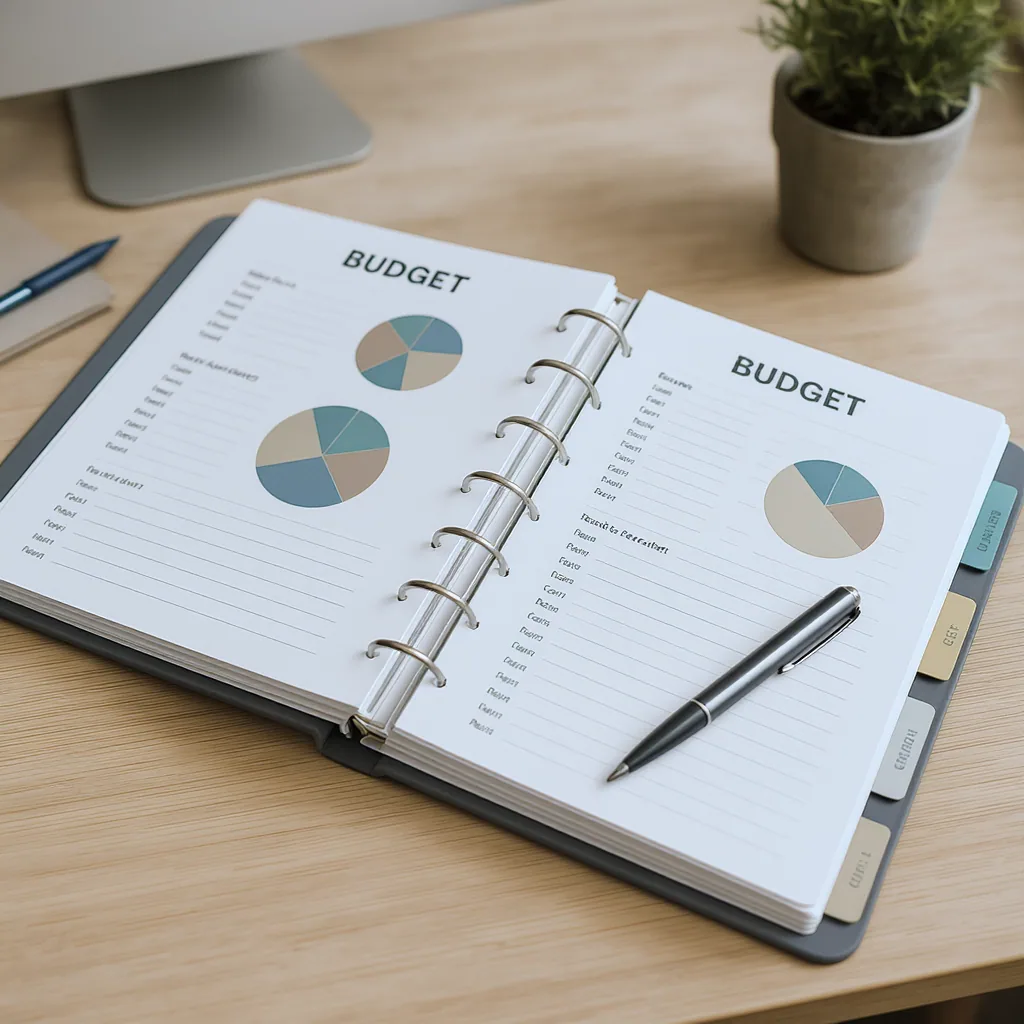
Think of a dedicated budget binder as the command center for your finances. It’s a physical, often three-ring, binder designed from the ground up to house every piece of your financial puzzle in one dedicated location. This isn’t just a notebook with a fancy cover; it’s a system built with intention, typically featuring pre-made tabbed dividers for categories like monthly bills, debt tracking, savings goals, and receipts.
The Core Appeal: Order from Chaos
The primary benefit of this paper budget planner option is its inherent structure. For someone who feels overwhelmed by scattered notes and digital tabs, the act of placing a bill in a clear plastic sleeve or logging an expense on a dedicated worksheet provides immense psychological satisfaction. It creates a single, authoritative source of truth for your money. You can easily add, remove, or rearrange pages—like a customizable dashboard for your dollars.
Who It Serves Best
This financial binder is ideal for the visual organizer who needs to see all their categories at once and the person who values a “set it and forget it” system. It’s perfect if you deal with lots of paper receipts, statements, or bills that need a home. The binder itself becomes a ritual object; opening it signals it’s time to focus on finances, which can strengthen your money management habit. A practical tip: use sheet protectors for receipts and important documents to keep everything neat and accessible.
The Simple Notebook: Champion of Flexibility and Portability
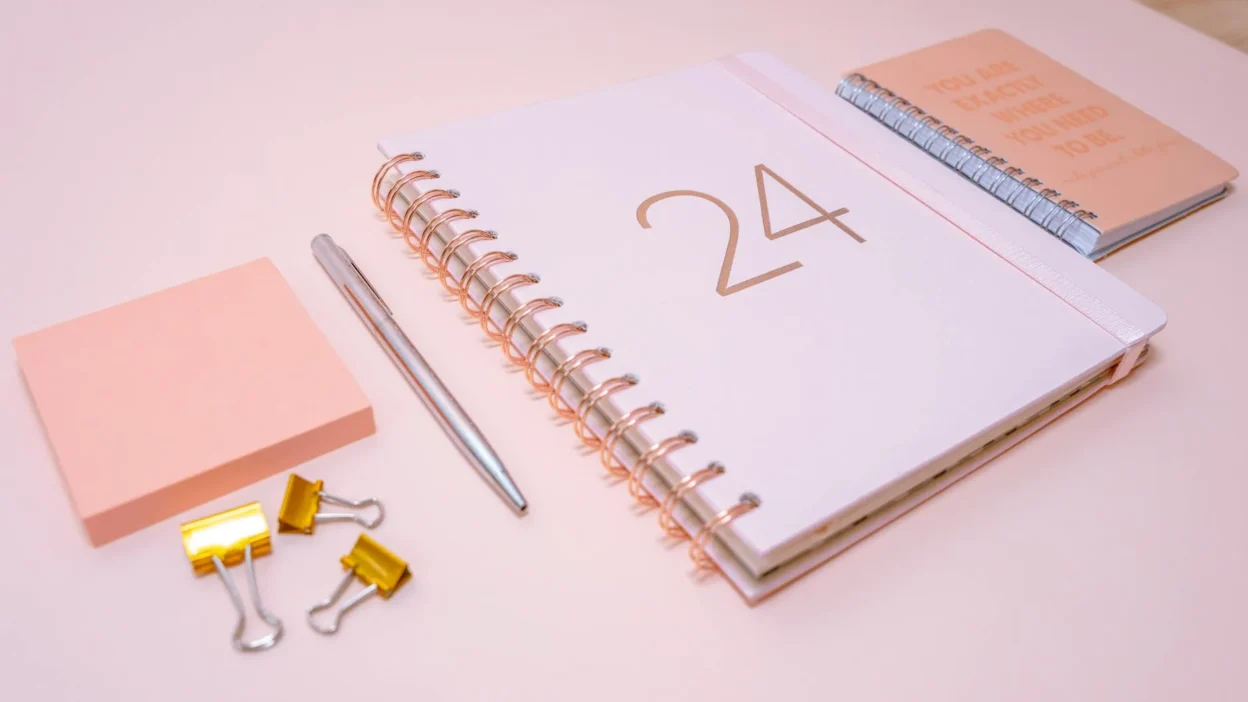
On the other side of the analog money management tools spectrum sits the humble notebook. This could be a dotted journal, a lined composition book, or a simple spiral-bound pad. Its power lies not in pre-defined structure, but in boundless flexibility. Your budgeting notebook setup is limited only by your imagination (and perhaps your skill with a ruler).
Freedom to Create and Evolve
With a notebook, you are the architect. You can draw your own spending trackers, create custom calendar spreads for bill due dates, or dedicate two pages to an elaborate savings goal thermometer. This approach is deeply personal and adaptable. If one monthly spread doesn’t work, you simply design a new one for the next month. This method is closely allied with the bullet journal philosophy, where rapid logging and collections can be perfectly tailored to track financial habits alongside other life goals.
The Minimalist’s Advantage
The notebook is the ultimate tool for the minimalist, the frequent traveler, or the creative soul. It’s lightweight, inexpensive to start, and contains your entire financial history in a linear, chronological story. There’s no pressure to “fill” a pre-made section that doesn’t apply to you. For someone who wants to start today with just a pen and paper, this is the lowest-friction path. It champions the idea that the best analog budget planner is the one you design for your current needs, not one you have to fit yourself into.
Side-by-Side Comparison: Binder vs. Notebook
Choosing between these physical budget organizer options often comes down to a few practical trade-offs. The table below breaks down the key differences to help you visualize the choice.
| Factor | Budget Binder | Notebook |
|---|---|---|
| Upfront Cost & Commitment | Higher. Requires binder, dividers, printed sheets, etc. | Very low. Just the cost of the notebook and a pen. |
| Customization Level | High, but within a structured framework. You choose the sheets and order. | Maximum. You create every element from scratch, free-form. |
| Portability | Low. Bulky and heavy to carry around. | High. Sleek and easy to take anywhere. |
| Setup & Maintenance | More time initially to set up sections; easy to archive old months. | Fast to start, but requires ongoing time to draw new spreads. |
| Visual Appeal & Feel | Feels official, business-like, and comprehensive. | Feels personal, creative, and intimate. |
| Best For Personality | The organizer who loves categories, hates clutter, and needs a dedicated system. | The creative, minimalist, or on-the-go person who values adaptability. |
Which System Is Your Financial Personality Match?
This isn’t about which tool is objectively better. It’s about which tool is better for you. Your daily habits, your mental approach to organization, and even your aesthetic preferences are the real deciding factors. Let’s filter it down.
You’re Likely a Budget Binder Person If…
- You have receipts, bills, and bank statements that currently live in different piles or drawers.
- The idea of a single, dedicated “finance hub” feels calming and efficient.
- You prefer following a pre-designed system over creating your own from a blank page.
- You don’t mind a larger, at-home tool if it means superior organization.
- You are motivated by checking things off in categorized sections.
You’re Likely a Notebook Person If…
- You want to start budgeting right now with minimal setup.
- You love the idea of doodling, using colorful pens, and making your tracker a creative outlet.
- You need to carry your budget with you daily, perhaps to log expenses as they happen.
- Your budgeting needs change frequently, and you want the freedom to redesign your layout monthly.
- The simplicity of one bound book for everything appeals to your minimalist side.
Still stuck in the middle? That’s okay. Some people start with a notebook to discover what they really need to track, then migrate to a binder. Others use a hybrid: a portable notebook for daily logging and a binder at home for monthly review and receipt storage. The right paper system is the one you’ll consistently open and use.
Finding Your Fit in Paper and Pen
The choice between a budget binder and a notebook ultimately reflects a classic trade-off: structure versus spontaneity. The binder offers a powerful, organized framework at the cost of bulk and upfront effort. The notebook offers limitless freedom and portability at the cost of requiring your own discipline and design time.
There is no “wrong” choice here, only a better fit. The most effective paper budgeting system isn’t the most elaborate one; it’s the one that feels less like a chore and more like a helpful, even satisfying, ritual. If the thought of setting up a binder excites you, follow that instinct. If the blank page of a notebook sparks ideas, start there.
Don’t let the search for the perfect system become a barrier to starting. Grab the tool that feels most accessible to you today, make your first entry, and let your system evolve naturally with your financial journey.