Most budget categories fail. They’re designed for a perfect financial life—one where you never have an impulse purchase, your car never breaks down, and your grocery bill is a predictable, round number. In reality, a budget with 30 detailed line items creates more stress than clarity, leading to the all-too-common “failure spiral”: you miss one category, feel guilty, and give up entirely. The secret to budget categories that work isn’t more detail; it’s smarter simplicity. This approach is grounded in behavioral science—too many choices cause decision fatigue, making your budget a chore instead of a tool. We’re moving past the theoretical ideal to a simple budget category list built for your actual, messy financial life, one that bends so it doesn’t break.
The most effective budget categories are simple, flexible, and based on your actual spending habits, not a rigid ideal. Start with 4-6 core categories like Essentials, Lifestyle, Goals, and Buffer to create a system that works for real life. This framework reduces decision fatigue and adapts to your unique priorities, whether you’re paying down debt or saving for a vacation. The goal is a practical tool you’ll actually use, not a perfect spreadsheet.
Why Most Budget Categories Fail (The Psychology of Simplicity)
You’ve probably seen those budget templates with 50+ line items: “Coffee,” “Streaming Services,” “Pet Toys.” They look thorough, but they’re designed for a financial robot, not a human. The problem isn’t you; it’s the system. Overly detailed categories create cognitive load—every spending decision becomes a mini test where you can “fail” by choosing the wrong line. This leads to decision fatigue, and eventually, you just stop tracking altogether.
Think of it like a closet. If you have a specific hanger for every single type of shirt, putting laundry away is a chore. But if you have a few simple drawers or sections, the task is easy and gets done. Your budget needs the same approach. Effective budget categories reduce friction, not increase it. They work with your brain’s natural tendency to group things, making it easier to stick with the habit long-term. The goal is to move from a rigid, perfectionist system to a flexible, simple budget category list that actually gets used.
The 4 Core Categories Every Real Budget Needs
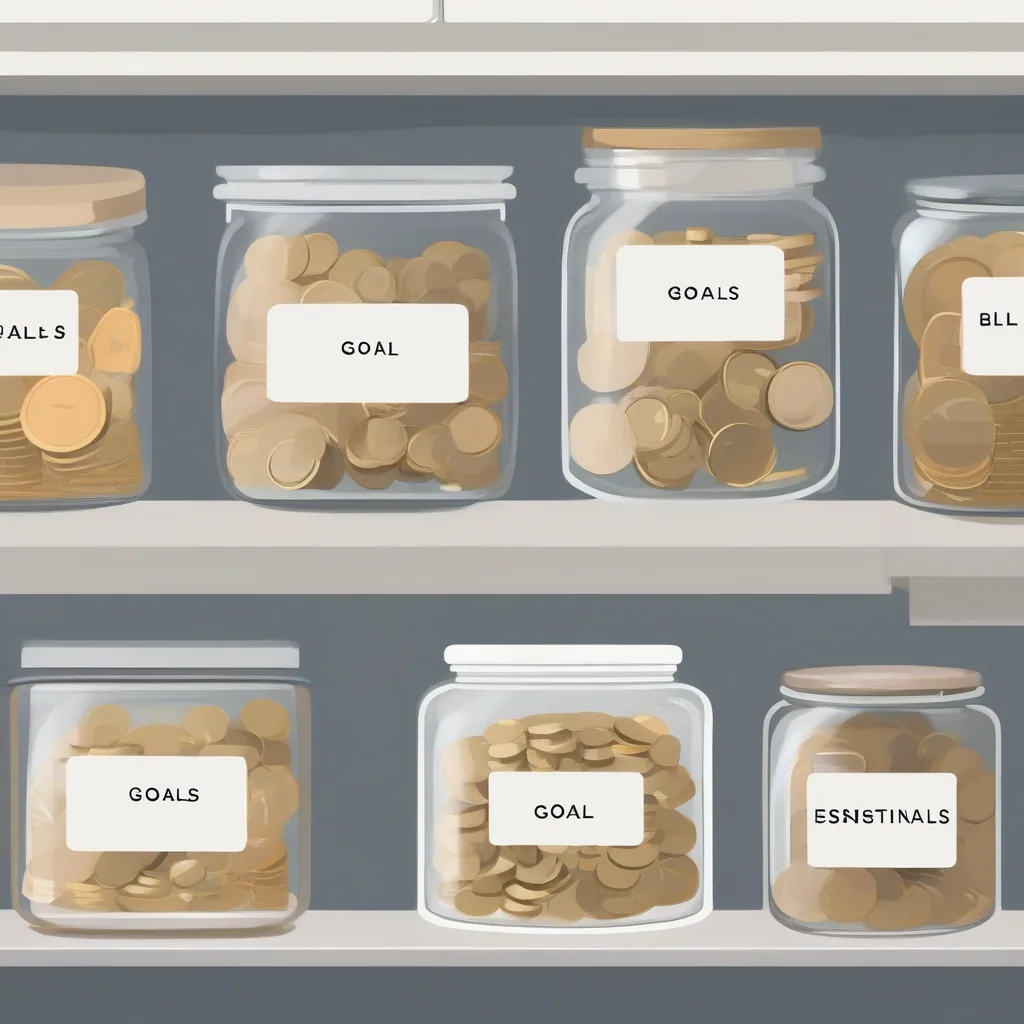
Forget the dozens of line items. Every dollar you spend or save can fit into one of four buckets. This framework is the foundation of practical budget categories that cover real life without the complexity.
1. Essentials
This is for non-negotiable needs for basic living and work. It includes housing (rent/mortgage), utilities, basic groceries, transportation (gas, bus fare), minimum debt payments, and essential insurance. If you couldn’t function without it, it’s here. The key is to define “basic” for your life—this isn’t premium groceries, it’s the staples.
2. Lifestyle
This is your freedom bucket for wants and quality-of-life spending. Dining out, entertainment, subscriptions, hobbies, personal care beyond basics, and that fancy coffee. There’s no judgment here; this category acknowledges that life isn’t just about bills. Giving this spending a home prevents guilt and makes your budget sustainable.
3. Goals
This is forward-looking money. It includes savings for emergencies, vacations, a down payment, or investing. It also includes any extra debt payments above the minimums. This bucket turns your budget from a tracking tool into a goal-achieving machine.
4. Buffer
Often missed, this is your plan for the unexpected. It’s a small amount set aside for those minor, unplanned costs that aren’t emergencies: a last-minute gift, a parking ticket, or replacing a broken phone charger. Having this category stops small surprises from wrecking your other categories.
Customizing Your Categories: The Flexibility Factor

Photo by RDNE Stock project on Pexels
The four core categories are a starting point, not a prison. The power of realistic budget categories comes from tailoring them. Your personal budget categories should reflect your actual priorities and challenges.
Decision Point: To Split or Not to Split?
If “Lifestyle” feels too vague and you consistently overspend on dining, feel free to break it out. Rename “Lifestyle” to “Fun Money” and create a separate “Eating Out” category. Conversely, if you have “Netflix,” “Hulu,” and “Spotify” as separate lines, consider merging them into a single “Subscriptions” sub-category. The rule: only split a category if tracking it separately provides useful insight or behavioral change.
Scenario: Handling Irregular Income
If your income varies month-to-month, your category percentages matter more than fixed dollar amounts. Allocate a percentage of each paycheck to Essentials first, then Goals, then Lifestyle. This creates a budgeting system that automatically scales with your cash flow.
The ultimate test is simple: Can you look at a transaction and immediately know which of your buckets it belongs in? If yes, your categories work. If you hesitate, they’re too complex.
Putting It Into Practice: Your First Month
Your first budget is a prototype, not a masterpiece. The goal is to learn, not to be perfect. Here’s a simple 3-step plan to launch your monthly budget categories.
Step 1: Track & Observe. For two weeks, just write down every single expense. Don’t try to control spending yet. Use a notes app or a piece of paper. This shows you where your money actually goes—the most valuable data for setting household budget categories.
Step 2: Categorize. Take your list of expenses and sort each one into one of your four core categories. Don’t worry about the amounts yet; just practice the sorting habit. You’ll quickly see if your categories make sense.
Step 3: Set Limits & Iterate. Based on your tracking, set a spending limit for each category for the next two weeks. Use a simple app or a spreadsheet to track against these limits. At the end of the month, review. Did you constantly overshoot Lifestyle but underspend on Buffer? Adjust the amounts for next month. This iterative tweaking is how you build a budget that fits.
Start With One Bucket Tonight
The biggest barrier to a working budget is the feeling that you have to build the whole perfect system at once. You don’t. The goal isn’t a flawless financial spreadsheet; it’s a useful tool that reduces stress and helps you direct your money toward what matters to you.
Your next step is intentionally small. Tonight, open your notes app or grab a notebook and simply define what “Essentials” means for your life. Write down those 5-7 core things. That’s it. You’ve just created the first—and most important—piece of a budget that adapts to you, not the other way around. A budget that works for real life isn’t about restriction; it’s about creating clarity and choice with the money you have.