
You sat down, crafted the perfect budget, and felt a wave of control wash over you. But now, weeks later, that spreadsheet or app feels more like a forgotten relic than a financial roadmap. This is the most common budgeting failure: the “set-and-forget” plan. A budget without a review system is just a hopeful guess. The real power—the control, the confidence, the actual progress—comes not from the initial plan, but from the simple, consistent habit of checking in. That’s where a practical budget review checklist comes in. It transforms budgeting from a daunting, occasional chore into a manageable, empowering routine. This isn’t about complex finance; it’s about building a reliable budget monitoring system with clear, actionable steps for a quick weekly glance and a deeper monthly reset, so you can catch surprises early and steer your money with intention.
A budget review checklist is a simple, repeatable system to track your income, spending, and goals at weekly and monthly intervals to catch problems early and stay in control. It helps you catch overspending quickly, adjust for unexpected expenses, and stay confidently on track with your finances without needing to be a money expert.
Why a Consistent Review Beats a Perfect Budget
Think of your budget as a GPS, not a stone tablet. A perfect, rigid plan you set in January is useless if you ignore it by March. The real power of a budget monitoring system isn’t in the initial setup—it’s in the regular cash flow check-in. This shifts you from a “set-and-forget” mindset to an adaptive “review-and-adjust” method. regular cash flow check-in
Financial control comes from awareness. A weekly and monthly rhythm acts like your personal financial dashboard, giving you a real-time view of where your money is going. This habit helps you spot trends, catch small overspends before they become big problems, and make confident decisions with your money. It turns budgeting from a restrictive chore into a proactive tool for achieving your goals.
Your Weekly Budget Check-In (The 10-Minute Protocol)
This is your quick pulse check. The goal isn’t deep analysis, but maintenance. Set a recurring 10-minute appointment (Sunday evening works well) and run through this weekly budget review checklist:
- Log & Categorize All Transactions: Open your bank app or budgeting tool. Log any cash spending and ensure every transaction from the past week is categorized correctly. This is the foundation of accurate tracking.
- Check Category Balances vs. Weekly Allowance: Glance at your key flexible spending categories (like Groceries, Dining Out, Entertainment). Are you on pace, or have you already spent 80% of your monthly budget in the first week? This early warning is the core value of the weekly check.
- Review Upcoming Bills & Income for the Next 7 Days: See what’s scheduled to come out of your account and what’s coming in. This simple act prevents overdrafts and reduces financial anxiety.
- Note Any Irregular Spending: Did you have an unplanned car repair or buy a gift? Jot it down. This note will be invaluable during your monthly budget check-in for understanding why you went over.
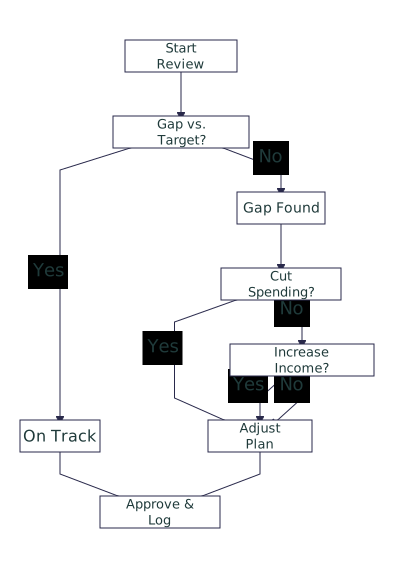
That’s it. If a category is tight, you consciously spend less there next week. If you’re under, you can reallocate or celebrate. This process builds discipline without overwhelm.
Your Monthly Budget Deep Dive (The Reset & Plan Session)
This is your strategic planning session, typically done right after a month ends. Block 30-45 minutes. Your monthly budget check-in has a different goal: to learn from the past month and intentionally plan the next.

Follow this sequence for your monthly budget audit:
- Reconcile All Accounts: Ensure your budgeting software or spreadsheet matches your actual bank and credit card balances. This closes the books on the month.
- Compare Actual vs. Planned Spending: Go category by category. Where did you overspend? Where did you have leftover money? Don’t just note the numbers—ask “why?” Was it a one-time event or a new habit?
- Adjust Next Month’s Budget: This is the “adjust” part of review-and-adjust. Based on your findings, move money between categories. Maybe you need a higher “Gas” budget for summer. This makes your budget realistic, not aspirational.
- Review Progress on Larger Goals: Check your savings for emergencies, vacations, or debt payoff. Did you hit your target? If not, can you allocate more next month? This connects daily spending to your bigger financial picture.
This session resets your spending plan, giving you a clean slate and clear intentions for the new month.
What to Do When Your Budget is Off Track
Even with the best spending review protocol, life happens. The key is not to quit but to adapt. Here’s how to handle common scenarios using your review system.
Scenario: You overspent on a category (like dining out). First, don’t panic. Look at your weekly financial review notes to see when it started. For the rest of the month, pull back spending in that category. If it’s severely over, cover the difference by reallocating money from a category where you’re under budget (like “Entertainment”). Document the decision.
Scenario: An unexpected expense blows your plan. A $400 car repair wasn’t in the budget. If you have an emergency fund, use it—that’s what it’s for. If not, this is a signal to build one. For this month, you may need to temporarily reduce contributions to other savings goals or cut discretionary spending to cover the cost. Your next monthly budget deep dive is where you plan to rebuild.
Scenario: Your income changes. If you get a raise, decide where that extra money goes before it gets spent—direct it to savings or debt. If income drops, immediately review your money tracking checklist to identify non-essential expenses you can pause. The regular review habit makes these adjustments proactive, not reactive.
Your Next Step to Financial Control
Remember, the goal isn’t a flawless budget on paper; it’s the consistent habit of looking at your money with clarity. That habit, built on simple weekly and monthly checkpoints, is what creates real financial confidence and progress.
Your decisive next step is this: pick your first review date. Choose either this coming Sunday for your first 10-minute weekly check-in, or the 1st of next month for your monthly deep dive. Set a calendar reminder right now for 15 minutes. When it pops up, use the checklists above as your guide. The system only works if you start it.