Let’s be honest: the word “budget” often feels like a synonym for “restriction.” It conjures images of spreadsheets, deprivation, and a constant, nagging feeling of not measuring up. What if we flipped that script entirely? What if your budget setup checklist wasn’t a cage, but a key—a tool that gives you explicit permission to spend on the things you love by first securing the things you need? This isn’t about tracking every penny with military precision; it’s about building a simple, clear map for your money so you can stop worrying about it. If you’re starting from zero, recovering from a financial stumble, or just tired of the anxiety, this process is for you. We’re going to strip away the overwhelm and build a practical, forgiving financial plan from the ground up, one manageable step at a time.
A budget setup checklist is your map to financial clarity. It involves gathering your income and expenses, choosing a simple budgeting method, allocating your money, and setting up a lightweight tracking routine—all designed to reduce stress, not create it. Think of it as a four-part foundation: know your numbers, pick your framework, build your first plan, and establish a simple check-in habit. The goal isn’t perfection on day one; it’s progress.
Your Pre-Budget Toolkit: Gather Before You Plan
Think of this step as setting up your workspace before a project. You wouldn’t start building a bookshelf without your tools and instructions laid out, right? The same principle applies to your budget planning checklist. Rushing into numbers without preparation is a fast track to frustration. This is your foundation checklist.
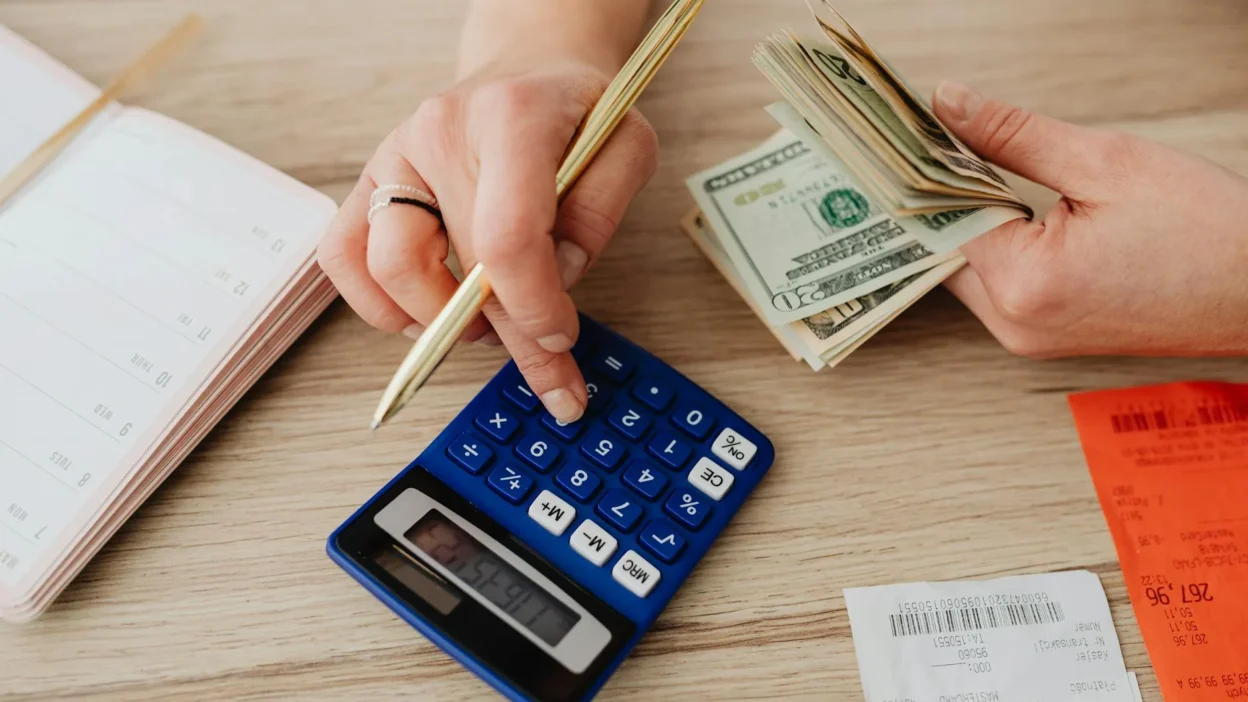
Here’s all you need: your last 1-2 bank and credit card statements (digital is fine), a notepad or a simple spreadsheet (like Google Sheets), and about 30 minutes of uninterrupted time. That’s it. The goal here isn’t to judge your spending, but to simply observe it. You’re gathering data, not passing sentence.

Photo by Kampus Production on Pexels
This mindset shift is crucial. You’re not building a cage; you’re drawing a map. A map gives you the freedom to explore without getting lost. By taking this calm, prepared approach, you turn a daunting task into a manageable one.
The Core Numbers: Your Income & Fixed Expenses
Now, let’s collect the two most important pieces of your financial picture. Follow this mini-checklist to get your core numbers down.
First, your monthly take-home income. This is the money that actually hits your bank account after taxes and deductions (your net pay). If your income varies, average the last three months. Include all reliable sources: your salary, side hustle cash, regular freelance work. Write this number at the top of your page.
Second, your fixed monthly expenses. These are the non-negotiables that stay roughly the same each month. Your start a budget checklist begins with listing these:
- Rent or mortgage
- Utilities (electric, water, gas, internet)
- Insurance premiums (car, health, renters)
- Minimum debt payments (student loans, credit cards)
- Subscriptions you actively use (streaming, software)
- Basic transportation costs (fuel, transit pass)
Add these up. The simple math of Income – Fixed Expenses shows you your “flexible money” for everything else. This step alone brings massive clarity.
Choosing Your Budget Method (The 3 Simple Options)
With your numbers in hand, the next part of your budget planning checklist is picking a framework. Don’t overthink this. Choose the one that sounds most natural to your brain.
The 50/30/20 Method: This is a great starting point for a simple budget setup guide. You allocate 50% of your take-home pay to needs (your fixed expenses plus groceries), 30% to wants (dining out, entertainment), and 20% to savings and debt repayment. It’s a fantastic rule of thumb for balanced financial health.
The Zero-Based Budget: Every dollar gets a job. You assign all your income to specific categories (bills, savings, spending) until you have zero left unassigned. It’s detailed and powerful for maximizing control. Best for those who like clear, granular plans.
The Envelope/Category System: This is a physical or digital version of the old cash-in-envelopes method. You set a spending limit for each flexible category (like groceries, fun money). Once the “envelope” is empty, you stop spending in that category until next month. It’s intuitive and excellent for curbing overspending.
Your First Budget: The 15-Minute Setup
Time for action. Take your income and expense totals and plug them into the method you chose. Let’s walk through a quick example using the 50/30/20 method for a personal budget creation checklist.
Say your monthly take-home pay is $3,000. Your fixed expenses from the earlier checklist total $1,200.
- Needs (50% = $1,500): Your fixed $1,200 fits here. The remaining $300 covers variable needs like groceries and gas.
- Wants (30% = $900): This is for dining, hobbies, subscriptions, and anything that’s not a strict need.
- Savings/Debt (20% = $600): This goes to your emergency fund, retirement, or extra debt payments.
Your first draft won’t be perfect—and that’s the point. It’s a starting hypothesis. The real magic happens in the next step: the maintenance routine. This completes your initial budgeting system setup.
The Maintenance Routine: Track Without Obsessing
A budget isn’t a one-time event; it’s a lightweight habit. The goal is awareness, not perfection. Here’s a sustainable routine to make your financial plan checklist work in real life.
Schedule a 10-minute weekly “money date.” Open your banking app and compare your actual spending to your plan. Did you overspend on groceries? Under-spend on dining out? No drama—just note it. This isn’t about failure; it’s about feedback. You’re calibrating your map.
Use a tool that feels effortless: a notes app on your phone, a single spreadsheet, or a simple budgeting app that syncs with your accounts. The less friction, the more likely you are to stick with it.
Remember, a budget that’s too rigid will break. One that’s never reviewed is just a forgotten document. This weekly touchpoint is the gentle rhythm that turns a good plan into real financial clarity and control.
Your Budget is a Tool for Freedom
Starting a budget can feel like you’re imposing limits, but the reality is the opposite. A well-tended budget is permission—permission to spend on the things you love without guilt, because you’ve already provided for your needs and future. It’s the tool that turns financial anxiety into quiet confidence.
Your first plan is just a draft. It will change as your life changes. The true skill isn’t nailing it on the first try, but developing the simple habit of checking in and adjusting. You’ve now got a clear, non-overwhelming process: gather your numbers, choose a method, build your plan, and maintain it with a quick weekly review.
Take that first step. Open your bank statement, write down one number, and build from there. Your fresh start begins not with a perfect system, but with a simple, honest look at your money.