Starting a new budget can feel like staring at a blank page with a broken pencil—you know you need to write something, but where do you even begin? For many beginners, the idea of a cash envelope routine promises a tangible solution to overspending, yet the leap from digital abstraction to physical cash feels daunting. The real challenge isn’t the system itself, but how to start it without derailing your life. This isn’t about finding the one “right” way, but discovering the right way *for you*: the choice between a clean-slate Fresh Start and a gentler integration into your Set-In Routine. Both paths lead to the same destination of financial control; your success hinges on picking the one that aligns with your personality, not just a generic set of rules.
The best cash envelope routine for beginners depends on your personality. A ‘fresh start’ offers a clean slate and intense focus by dedicating a full month to resetting your spending, ideal if you thrive on structure and dramatic change. Conversely, the ‘set-in routine’ approach weaves the system slowly into your existing life, starting with just one or two spending categories to minimize friction. Choose based on whether you’re motivated by a complete overhaul or by making gradual, sustainable adjustments to your current habits.
The Two Paths: Understanding Your Starting Point
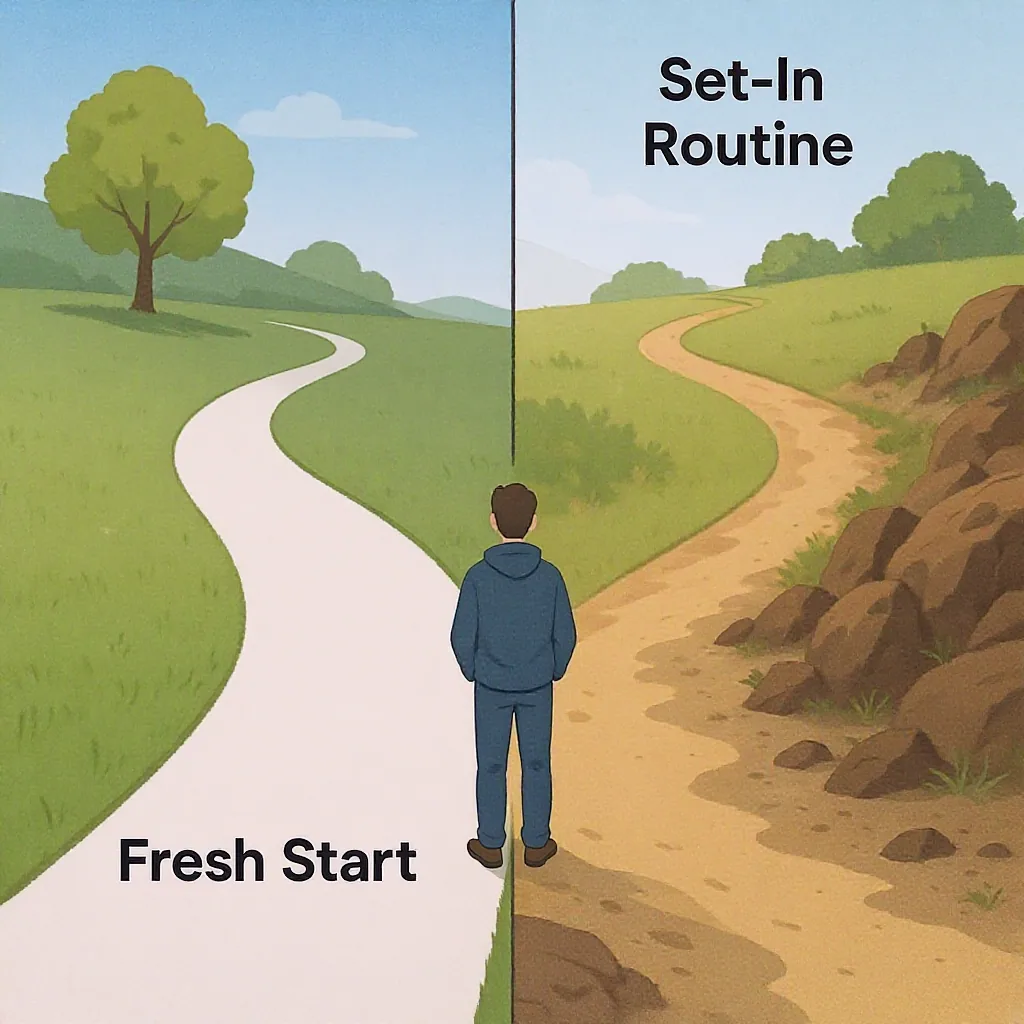
Your first decision isn’t about right or wrong—it’s about fit. Do you need a clean slate to build new envelope budgeting habits from the ground up? Or do you need to weave this system into the life you already have? Let’s define the two approaches so you can see where you belong. build new envelope budgeting habits
The “Fresh Start” Path
This is for the beginner who wants a dedicated reset. You pick a specific start date (often the first of a month or a new pay period), withdraw cash for all your chosen categories at once, and commit to using only the cash in those envelopes for the entire cycle. It’s an immersive, focused experiment.
Ideal for: The person who feels their current spending is chaotic and wants a clear, tangible boundary. It creates intense awareness quickly. The downside? It can feel like a big, sudden change, which requires more upfront willpower.
The “Set-In Routine” Path
This approach is about integration, not overhaul. Instead of a grand launch, you start with one or two spending categories that already have a predictable rhythm in your life—like groceries or fuel. You fund just those envelopes and use the cash for them, while everything else stays on your card or in your bank account for now.
Ideal for: Anyone overwhelmed by the idea of switching everything to cash at once. It allows your cash stuffing routine to become a natural part of your existing weekly patterns, reducing friction. The trade-off is that the financial “aha” moments may come more gradually.
Your 5-Step Protocol to Launch

Photo by www.kaboompics.com on Pexels
Regardless of which path you choose, these five concrete steps will get your cash envelope system off the ground. Think of this as your universal starter kit for cash budgeting for beginners.
Step 1: Audit & Pick Your First 3 Categories
Don’t try to envelope everything. Look at last month’s bank statement and identify your top three variable, easy-to-overspend categories. Groceries, dining out, and “fun money” are classic starter choices. The goal is to master the physical envelope system with a manageable few.
Step 2: Get Your Envelopes & Cash
Grab three envelopes, label them clearly, and decide on your funding amount for each. Based on your audit, set a realistic budget. Then, go to the bank or ATM and withdraw the total cash. This physical act is a powerful commitment.
Step 3: Fund Your First Week (Not Month)
Especially for beginners, funding a whole month can be intimidating. Instead, divide your category budget by four and put only one week’s worth of cash into each envelope. This creates a natural, less daunting check-in point every seven days.
Step 4: Track & Tuck Receipts
Every time you spend from an envelope, put the receipt back into that same envelope. This isn’t just for tracking; it physically shows you where the money went and how much is left without any math. It’s the simplest form of envelope method routine.
Step 5: The Sunday Review
Before you fund the next week, empty the envelopes of receipts. Look at what you spent. Did groceries run low? Did you have leftover fun money? This 10-minute review is where you learn and adjust, turning action into a sustainable cash stuffing habit.
Troubleshooting Your First Two Weeks
Stumbling is part of the learning process. Here’s how to handle common early hiccups without quitting your new envelope budgeting system.
“My Groceries Envelope Is Empty, But It’s Only Wednesday”
Recovery Script: First, stay calm. You now have valuable data. For the rest of the week, you have two ethical options: 1) Borrow from a different envelope with a surplus (like “Dining Out”), moving the cash and making a note, or 2) Pause spending in that category until your next weekly fund. Next Sunday, increase your grocery budget slightly and see if it holds.
“I Feel Restricted and Miss My Card”
Recovery Script: This is normal. The restriction is the point—it creates awareness. Acknowledge the feeling, then ask: “What specific purchase am I missing?” Often, it’s impulse buys. The envelope isn’t a prison; it’s a boundary you set for yourself. If the feeling persists after two weeks, consider if your budget for “fun” or personal spending is unrealistically low.
“I Keep Forgetting the Envelopes at Home”
Recovery Script: Link the envelopes to an existing habit. Keep them with your keys, wallet, or in your work bag. Or, only carry the envelope for the errand you’re on (e.g., just the grocery envelope to the store). Forgetting them is a sign your cash envelope discipline needs a better trigger in your daily routine.
Making It Stick: From Routine to Habit
The first two weeks are about practice. The next month is about making your beginner envelope budgeting feel automatic. Around the four-week mark, do a formal check-in. Are you still constantly thinking about the envelopes, or do you grab them without a second thought? This is the transition from conscious effort to habit.
This is also the time to adjust. Maybe your “Fuel” category was too high and you can move some money to “Home Supplies.” Perhaps you’re ready to add a fourth category. The system is meant to serve your life, not the other way around. Celebrate the small wins—like a week where every envelope still had a few dollars left on Sunday. That’s not just saved money; it’s proof your awareness is growing.
Ultimately, the power of the cash envelope system isn’t in the cash itself, but in the tangible feedback loop it creates. You’re not just tracking numbers on a screen; you’re building a direct, physical relationship with your spending choices, which is the foundation of lasting financial control.
Your First Envelope Awaits
The debate between a fresh start and a set-in routine is useful, but it can also be a trap of overthinking. The truth is, the best cash envelope routine for beginners is the one you actually start. Perfection is not the goal; practice is.
Your next step is decisive and simple. Pick one category—just one. Get a single envelope. Label it. Fund it with cash for the next seven days. Use it. That single action, repeated, contains the entire lesson. The clarity, the control, the confidence—it all begins the moment you make the abstract tangible.