
Managing shared bills is one of those necessary tasks that can quietly poison a good living situation. It starts small—a forgotten streaming subscription, a late utility fee, a vague “I thought you paid that” text. Before you know it, minor money mishaps create major stress, eroding trust and sparking arguments that are never really about the cable bill. Whether you’re moving in with a partner, rotating duties with roommates, or a family member is taking over the finances, an informal handshake agreement on who pays what is a recipe for confusion. The solution isn’t a complex financial plan; it’s a simple act of clarity. Creating a household budget handoff checklist is the practical, relationship-saving tool that transforms shared financial duties from a source of anxiety into a system of partnership. It ensures nothing falls through the cracks during any transition and turns vague assumptions into clear, documented responsibilities.
A household budget handoff checklist is a practical, shared document that lists every bill, account, due date, and responsible person to ensure a smooth transition and prevent missed payments when managing money with others. Think of it as the essential playbook for your shared financial life, clarifying who does what and when, so you can avoid the “I thought you had it” conversation. It’s not about assigning blame, but about building a reliable system that works for everyone involved.
Your Core Household Budget Handoff Checklist
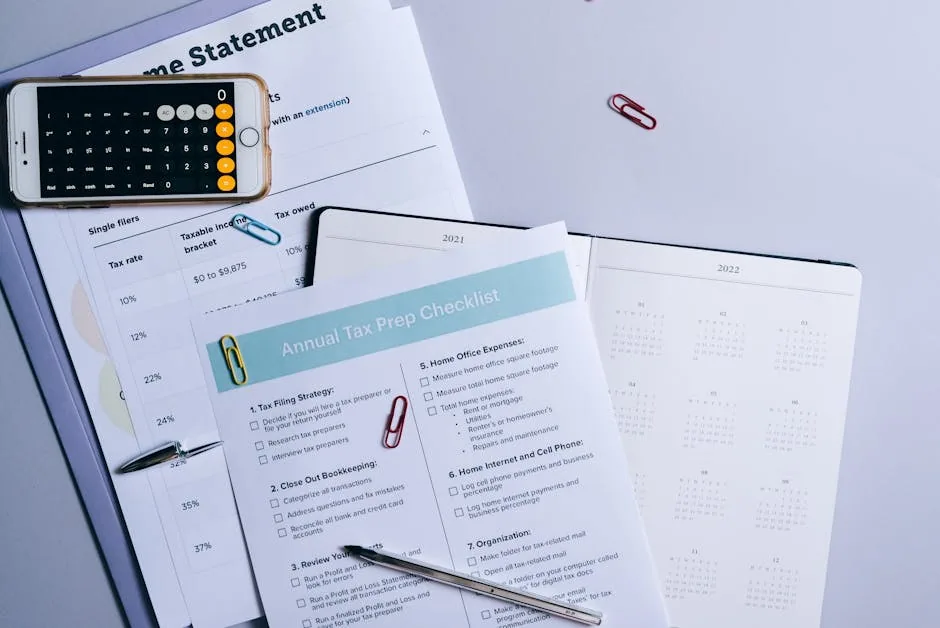
Photo by Leeloo The First on Pexels
Think of this as your master document for shared financial duties. Copy these items into a shared digital doc (like Google Sheets) or a notes app you both can access. The goal is to create a single source of truth for your family budget task list.
- List All Recurring Bills & Expenses: Start with the obvious (rent/mortgage, utilities, internet, phone). Then dig deeper: streaming subscriptions, gym memberships, insurance premiums (car, renters), and any annual fees (Amazon Prime, domain names).
- Document Account Access: For each bill, note the website, login username, and where the password is stored (e.g., “in shared password manager vault”). Never email passwords.
- Define Payment Method & Schedule: Is it on autopay from a joint account? A specific personal credit card? Note the due date and the date the payment typically pulls.
- Assign the Responsible Person: Who is the primary point of contact? Who initiates the payment or verifies the autopay went through? Be explicit.
- Set Up Alerts & Notifications: Ensure both parties get payment confirmations and due date reminders via email or text. This creates a safety net.
- Outline the Contingency Plan: What happens if the primary person is sick or traveling? Who has backup payment info? Agree on a process for late payments or disputes.
- Schedule a Review Date: Put a recurring calendar invite for 1-3 months out to review the checklist, update amounts, and discuss any hiccups.
This shared financial duties checklist isn’t about control—it’s about creating visibility so no single person carries the mental load alone.
Scenario: Applying the Checklist in Real Life

Photo by Mikhail Nilov on Pexels
Let’s see how this budget handover list adapts to two common situations. The framework stays the same, but the details shift.
Scenario 1: Moving In Together
Alex and Sam are merging households. They use the checklist to decide which existing accounts to keep and who will manage what. For their “List All Recurring Bills,” they combine both of their previous expenses, deciding to cancel duplicate streaming services. They set up a joint account for shared rent and utilities, making those bills joint responsibilities with autopay. Sam keeps managing the internet (their old account), while Alex takes over the new utility setup. Their “Review Date” is set for 60 days after move-in to adjust for real-world spending.
Scenario 2: Roommate Bill-Pay Rotation
Three roommates rotate the “head bill payer” role each month to keep things fair. Their checklist is crucial. The responsible person for each bill changes monthly, but the account logins (stored in a shared password manager) stay the same. Their “Contingency Plan” is detailed: if the primary payer forgets, roommate #2 is the first backup, funded via a Venmo request. They review the checklist during their monthly house meeting when the duty rotates.
Dos and Don’ts for a Smooth Handoff
Beyond the items on your family money management handoff, how you handle the process matters just as much.
- DO schedule a dedicated, low-stress money meeting. Make it a coffee chat, not a confrontation. The goal is teamwork.
- DO use a password manager. It’s the secure, modern way to share access without actually revealing passwords.
- DO a walk-through after the first billing cycle. Sit together and confirm each payment happened as planned. Celebrate the win.
- DON’T assume verbal agreements are enough. Write it down. Memory fails, especially under stress.
- DON’T hide financial stress or confusion. If a bill seems high or a process is clunky, speak up early. This is a system you’re building together.
- DON’T skip setting the next review date. Life changes, bills increase, and services get canceled. A regular check-in keeps your system alive.
Common Handoff Mistakes to Sidestep
Even with good intentions, it’s easy to miss a step. Here’s how to avoid the most frequent pitfalls in a joint budget responsibility transfer.
Forgetting the “Sneaky” Bills: Everyone remembers rent. People forget the annual car registration, the quarterly water bill, or the bi-annual insurance premium. When listing bills, scan a full year of bank statements to catch these. Your household expense transition plan must account for irregular timing.
Insecure Credential Sharing: Texting a password or leaving it on a sticky note is a security risk and a bad habit. The fix is simple: use a reputable password manager with a shared folder. It’s safer and more organized.
Vague Contingency Plans: Saying “you handle it if I’m away” isn’t a plan. Specify who the backup is, how they access funds (e.g., “use the joint account debit card on file”), and how they’ll be reimbursed if they use personal money. Clarity prevents panic.
Letting the Checklist Go Stale: The biggest mistake is creating this document and never updating it. When you switch internet providers, get a new credit card, or add a pet insurance policy, update the list immediately. That scheduled review date is your enforcement mechanism.
Take Control, Together, Starting Now
The stress of shared bill responsibilities often comes from uncertainty—the “I thought you paid that” moment. This checklist replaces guesswork with a clear, collaborative system. It turns financial management from a solo burden into a documented partnership.
Your decisive next step is simple: open a blank document right now. Title it “Our Household Budget Handoff,” and write down the first bill that comes to mind. That single action breaks the inertia. From there, filling out the rest of the list becomes a practical, even empowering, conversation about how you run your home as a team. You’ve got the blueprint; now build your system.