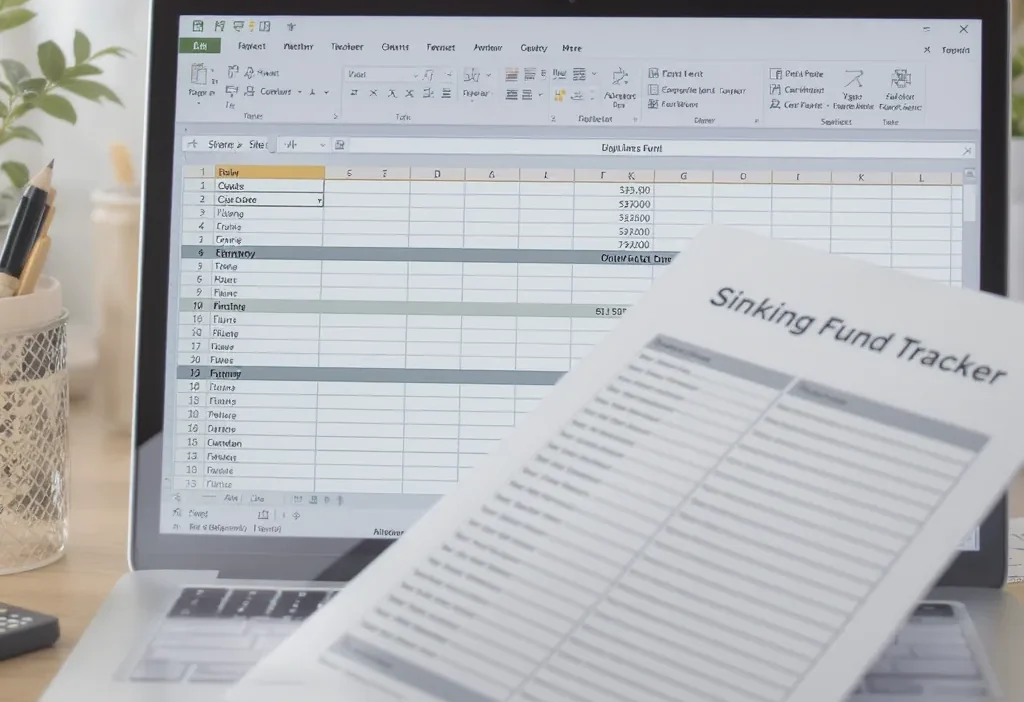
You know you should be saving for that future car repair, the holiday, or the inevitable vet bill, but when you have multiple goals swirling around, it’s easy to feel overwhelmed. Without a clear, simple system to track each fund, your good intentions can dissolve into confusion, making it hard to see progress or, worse, causing you to miss your targets entirely. The solution isn’t more willpower—it’s a better sinking fund tracker layout. A well-designed format acts as your financial command center, transforming scattered savings goals into a manageable, visual plan that’s easy to update and actually motivates you to stick with it.
A sinking fund tracker layout is simply the format you use to organize and monitor your savings for future expenses. The easiest options to maintain are a basic spreadsheet, a printable envelope system, or a dedicated page in your planner, because they require minimal weekly upkeep. The best layout is the one that fits seamlessly into your existing routine, making the act of tracking your progress almost effortless.
What Makes a Sinking Fund Layout ‘Easy to Maintain’?
Before we dive into specific formats, let’s define what “easy to maintain” actually means for your sinking fund management system. The perfect layout isn’t the most feature-rich or aesthetically stunning one; it’s the one you’ll actually use consistently. A low-maintenance tracker is built on three simple principles.
First, it must be visible. Out of sight is out of mind. Your tracker needs to live somewhere you’ll naturally encounter it—whether that’s a tab in your browser, a page in your daily planner, or a set of envelopes on your desk. Second, it must be simple. If updating it feels like a chore, you’ll avoid it. The process of adding a deposit or checking a balance should take seconds, not minutes. Finally, it requires consistency. This is less about the tool and more about you. The easiest layout in the world fails if you don’t have a tiny, regular habit—like a 5-minute weekly money date—to engage with it.
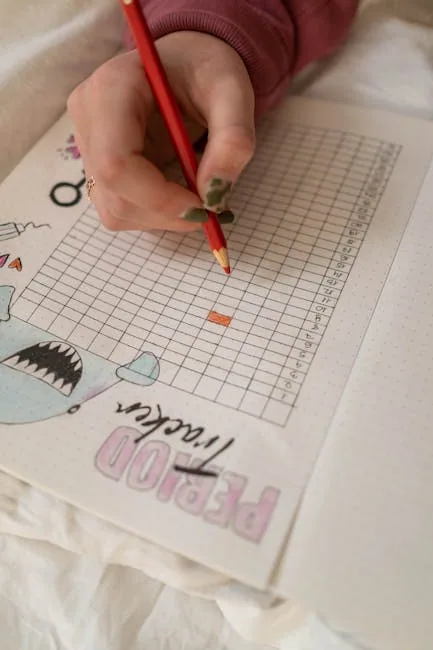
Photo by cottonbro studio on Pexels
When evaluating any sinking fund template or organizer, ask yourself: “Does this make the simple act of tracking feel effortless?” If the answer is yes, you’ve found a winner.
3 Simple Tracker Layouts You Can Start Today
Here are three straightforward, battle-tested layouts. Each has a slightly different “feel” and maintenance routine. Pick the one that resonates most; you can always switch later.
1. The Basic Spreadsheet (Digital & Flexible)
This is the go-to for many because it’s powerful yet simple. Your sinking fund spreadsheet can be as basic as a table with columns for Fund Name, Goal Amount, Current Balance, and Monthly Target. Tools like Google Sheets or Excel do the math for you with simple formulas. The maintenance routine is digital: once a week, open the sheet, input any deposits you’ve made, and watch the totals update automatically. It’s searchable, editable from your phone, and easy to share with a partner.

Photo by Image Hunter on Pexels
2. The Printable Envelope System (Tactile & Visual)
If you prefer to physically see and feel your money growing, a sinking fund printable tracker using an envelope system is incredibly effective. You print or label envelopes for each goal (e.g., “Car Insurance,” “Holiday Gifts”). Each time you allocate cash or even just a written IOU for a digital transfer, you slip it into the corresponding envelope. The maintenance routine is tactile: a quick visual check of envelope thickness or a monthly tally of the slips inside. This method makes progress wonderfully concrete.
3. The Bullet Journal / Planner Spread (Analog & Creative)
For those who live by their notebook, a dedicated sinking fund chart in your bullet journal or planner combines tracking with creativity. You might draw a simple table, a series of progress bars, or a savings thermometer for each goal. The maintenance routine is ritualistic: each payday or weekly review, you grab your favorite pen and fill in the new balances. The act of writing it down can solidify the commitment in a way typing sometimes doesn’t. It becomes part of your planning ecosystem.
Choosing Your Layout: A Quick Decision Guide
Don’t overthink this. The best sinking fund planning sheet is the one that matches your existing habits, not the one you wish you had the discipline for. Use this simple guide to match yourself to a layout.
Do: Match the tool to your natural workflow. If you live on your computer and love automation, choose the spreadsheet. If you’re a hands-on, visual person who uses cash envelopes, choose the printable tracker. If you’re a notebook devotee who journals regularly, choose the planner spread. Your tracker should feel like a natural extension of how you already operate.
Don’t: Choose a complex digital tool out of ambition if you’re analog at heart. You won’t maintain it. The goal is consistency, not technological sophistication. Remember, personal finance is personal—what works for a finance YouTuber may not work for you, and that’s perfectly fine. This is an educational guide to help you find your fit, not a prescription.
Common Sinking Fund Tracker Mistakes (And How to Avoid Them)
Even with a simple layout, it’s easy to fall into traps that make your fund tracker format hard to keep up with. Here are the most common pitfalls and how to sidestep them from the start.
Mistake 1: Creating Too Many Fund Categories
The Problem: You get excited and make a separate fund for every conceivable future expense—from “New Phone” to “Haircut” to “Car Wash.” Soon, you’re managing 15+ tiny funds, which becomes overwhelming and defeats the purpose of simplicity.
The Fix: Group similar, smaller expenses into broader categories. Instead of separate funds for “Vet Visit,” “Dog Food,” and “Pet Toys,” create one “Pet Care” sinking fund. Start with 3-5 broad categories that cover your major, non-monthly expenses.
Mistake 2: Forgetting the Weekly Update
The Problem: You set up a beautiful sinking fund organizer but then never look at it. Without a regular check-in, you lose track of balances, miss contributions, and the system collapses.
The Fix: Schedule it. Tie your 5-minute tracker update to an existing habit. Do it right after you check your online banking every Friday, or while having your morning coffee on payday. Consistency trumps complexity every time.
Mistake 3: Misaligning Layout with Cash Flow
The Problem: You get paid bi-weekly but set monthly savings targets in your tracker, causing confusion about how much to set aside each pay period.
The Fix: Build your tracker around your actual money rhythm. If you’re paid bi-weekly, calculate your per-paycheck contribution for each fund and track that. Your sinking fund management system should reflect reality, not an idealized calendar.
Your Simple System Awaits
The frustration of scattered savings goals ends now. You have the blueprint for a clear, maintainable system. The three layouts—spreadsheet, printable envelopes, or planner spread—are proven, simple starting points. The key isn’t finding the “perfect” one; it’s starting with any one.
Your decisive next step is this: before the day ends, pick one of the three layouts. Spend just 15 minutes setting it up for your first two sinking funds—perhaps “Car Maintenance” and “Holiday.” Define the goal, note your starting balance (even if it’s zero), and schedule your first check-in. The magic is in the doing, and the maintenance becomes effortless once you begin. Start simple, start today.