If you’ve ever felt a pang of financial stress because your savings account seems to vanish for both a planned vacation and a surprise car repair, you’re not alone. The root of this confusion often lies in lumping all your money into one “savings” pot, blurring the crucial line between predictable life expenses and true, unforeseen crises. Understanding the distinct roles of a sinking fund versus an emergency fund is a foundational step toward feeling in control of your money, not surprised by it. This clarity transforms your savings from a vague safety net into a strategic plan, empowering you to fund your goals and protect your stability without guilt or panic.
Here’s how to decide between a sinking fund and an emergency fund: A sinking fund is for predictable, planned expenses you know are coming (like a vacation or car repair). An emergency fund is strictly for unexpected, urgent events that threaten your financial stability (like a job loss or major medical bill). Use a sinking fund to save for known goals; tap your emergency fund only for true, unforeseen crises.
The Core Difference: Purpose Defines Everything
Think of your savings not as one big pile of money, but as a set of tools, each designed for a specific job. The confusion between a sinking fund and an emergency fund melts away once you understand their core missions.
An emergency fund is your financial safety net. Its sole purpose is to protect you and your family from true, unforeseen crises that threaten your basic stability—think job loss, a major medical event, or a critical home repair you couldn’t have predicted. This money is for survival, not convenience. It’s your “break glass in case of fire” fund.
A sinking fund, on the other hand, is your planning powerhouse. It’s for predictable, planned expenses you know are coming. You save a little each month so you can pay for these things in cash when the bill arrives, avoiding debt. This turns financial stress into a manageable, predictable process. It’s how you fund your life and goals without derailing your budget.
The key isn’t the money itself; it’s the purpose you assign to it. This distinction between planned savings vs unexpected expenses is the foundation of proactive money management.

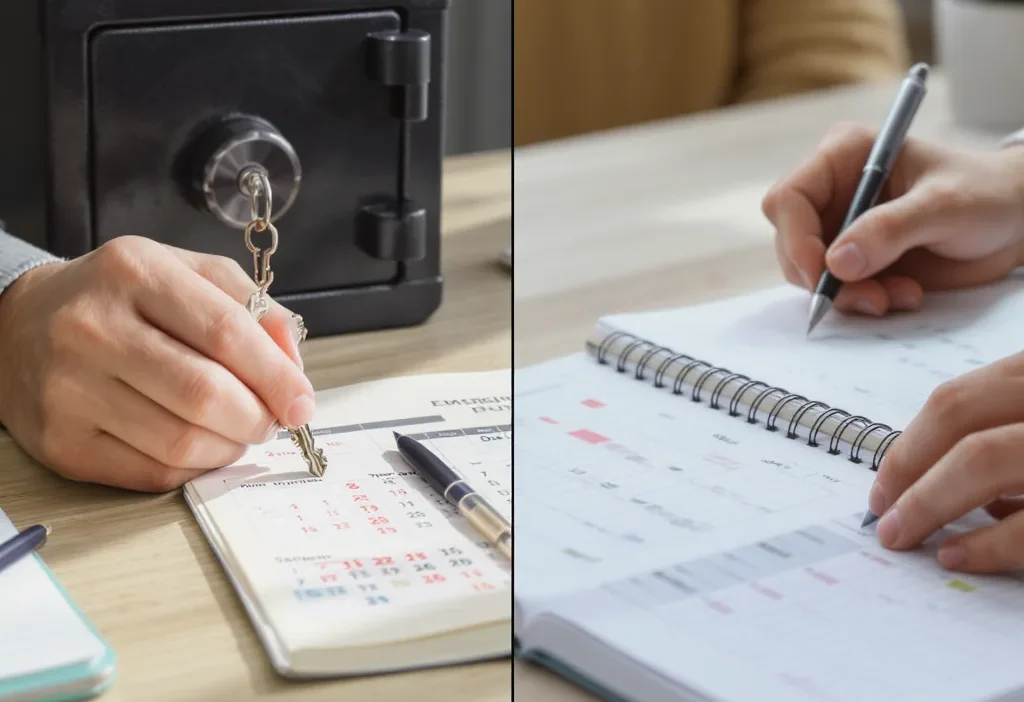
Photo by Tima Miroshnichenko on Pexels
| Dimension | Sinking Fund | Emergency Fund |
|---|---|---|
| Purpose | For known, planned expenses and goals | For unknown, urgent crises threatening basic needs |
| Time Horizon | Short-to-medium term (months to a few years) | Long-term safety net (3-6+ months of expenses) |
| Examples | Car maintenance, holidays, vacations, new appliances | Job loss, major medical bills, urgent major repairs |
| Funding Strategy | Regular, calculated monthly contributions | Build to a target amount, then replenish if used |
| Mindset | Proactive planning and goal achievement | Reactive protection and financial stability |
When to Use Your Sinking Fund (The Planned Path)
Your sinking fund is where you take control. It turns large, intimidating expenses into small, monthly line items. The mindset shift is powerful: you’re not being surprised by a bill; you’re gracefully funding a known part of your future.
You create separate budget savings buckets—or categories—for each goal. Here are classic examples of short term savings categories perfect for a sinking fund:
- Car-related: Annual insurance premium, registration, predictable maintenance (like oil changes), or saving for your next down payment.
- Home & Living: Property taxes, annual HOA fees, planned appliance upgrades (you know the fridge is old), or routine pest control.
- Personal & Family: Holiday gifts, birthdays, back-to-school shopping, or a family vacation.
- Annual Bills: Subscriptions you pay yearly, membership renewals, or professional license fees.
- Self-Investment: A course you want to take, conference fees, or new work equipment.
To set one up, simply identify the total cost and the number of months until you need the money. Divide the cost by the months, and that’s your monthly contribution. For instance, a $600 car insurance bill due in 6 months means saving $100 per month into that specific bucket. This method makes budgeting for predictable costs effortless.
When to Tap Your Emergency Fund (The True Crisis)
Your emergency fund is for the storms you didn’t see coming. It’s a last resort, not a slush fund. A good rule of thumb: if it doesn’t meet the criteria of being sudden, necessary, urgent, and impactful, it’s probably not an emergency.
True emergencies directly threaten your health, your home, your ability to work, or your family’s core well-being. Classic examples include:
- Loss of Income: Sudden job loss, unexpected reduction in work hours, or a debilitating illness preventing you from working.
- Major Medical Events: An unexpected hospital visit, emergency dental work, or a vital prescription not fully covered by insurance.
- Critical Repairs: Your furnace dies in the middle of winter, a tree falls on your roof, or your car’s transmission fails and it’s your only way to get to work.
Contrast this with “non-emergencies”: a great sale on a TV, a spontaneous weekend trip, or a routine car service you knew was due. These are wants or planned needs—the territory of your sinking fund. Protecting your emergency fund for its true purpose is how you ensure it’s there when a real crisis hits. The emergency fund purpose is singular: to be your financial lifeline.
Your Decision Guide: Which Pot of Money Do I Use?
When an expense pops up, don’t panic. Run it through this simple mental checklist. Asking yourself these few questions will instantly clarify the right source of money.
- Did I know this expense was coming? (Yes = Sinking Fund) Was it on the calendar, predictable, or part of a normal lifecycle (like car maintenance)? If you can see it coming, you should be saving for it.
- Is this urgent and threatens my basic needs? (Yes = Emergency Fund) Does it affect my/ my family’s health, safety, shelter, or ability to earn an income? Is it a true crisis that must be addressed immediately?
- Can I delay it without serious consequence? (Yes = Likely a new Sinking Fund goal) If it’s not urgent and it’s a want or a planned need you simply didn’t save for, pause. Create a new savings category and fund it over time.
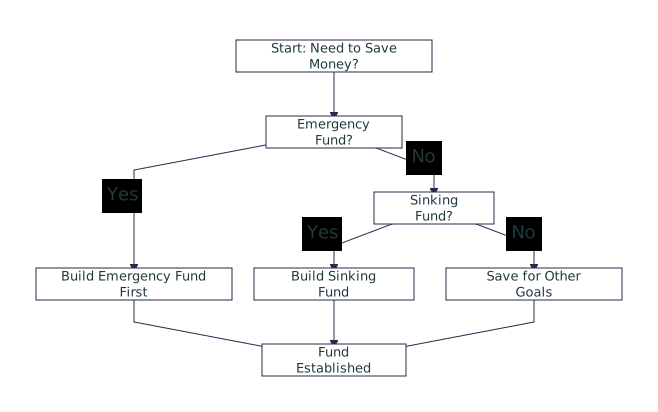
This framework turns confusion into clarity. By consistently asking these questions, you’ll train yourself to allocate savings effectively, keeping your emergency fund sacred and your financial plan on track.
Take Control By Defining Your Dollars
Mastering the distinction between sinking funds and emergency funds isn’t just a budgeting trick—it’s a fundamental shift toward financial confidence. It moves you from reacting to life’s financial demands to proactively directing your money with purpose.
Your very next step? Look at your calendar and your bank statements from the last year. Identify just one or two predictable expenses that always seem to “surprise” you. Open a separate savings account or create a new category in your budget app labeled for that expense. Set up a small, automatic monthly transfer. You’ve just started your first sinking fund.
Meanwhile, let your emergency fund sit, fully funded and ready. Knowing exactly when to use sinking fund money versus emergency savings is how you build a resilient financial life that can handle both your dreams and the unexpected.