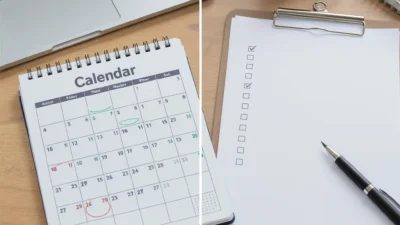
You’re finally sitting down after a whirlwind week—maybe it was a holiday crush, a major project deadline, or just the chaotic juggle of daily life. You log into your bank account, and there it is: a glaring late fee for a bill you were absolutely certain you’d paid. That sinking feeling is universal. In busy months, our usual systems fail us, and bills are often the first casualty. This article isn’t about shaming you for forgetting; it’s about understanding exactly why bills get missed when life accelerates and, more importantly, giving you a straightforward, immediate-action plan to prevent it. We’ll unpack the psychology of the oversight and provide a simple checklist you can implement in minutes to build a bill reminder system that actually works with your hectic lifestyle, not against it.
Bills get missed in busy months due to cognitive overload, broken routines, and manual tracking failures. The immediate fix is to implement a simple, consolidated bill reminder system—either digital or analog—that works with your lifestyle, not against it. Missed bills often stem from mental clutter and disrupted habits during hectic times, so the fastest preventive fix is to set up a single, reliable system that consolidates all your due dates.
Your 5-Minute Bill-Proofing Checklist
Before we dive into the reasons, let’s stop the bleeding. This immediate-action checklist is your first line of defense. You can implement it right now to create a simple bill reminder system that works. simple bill reminder system
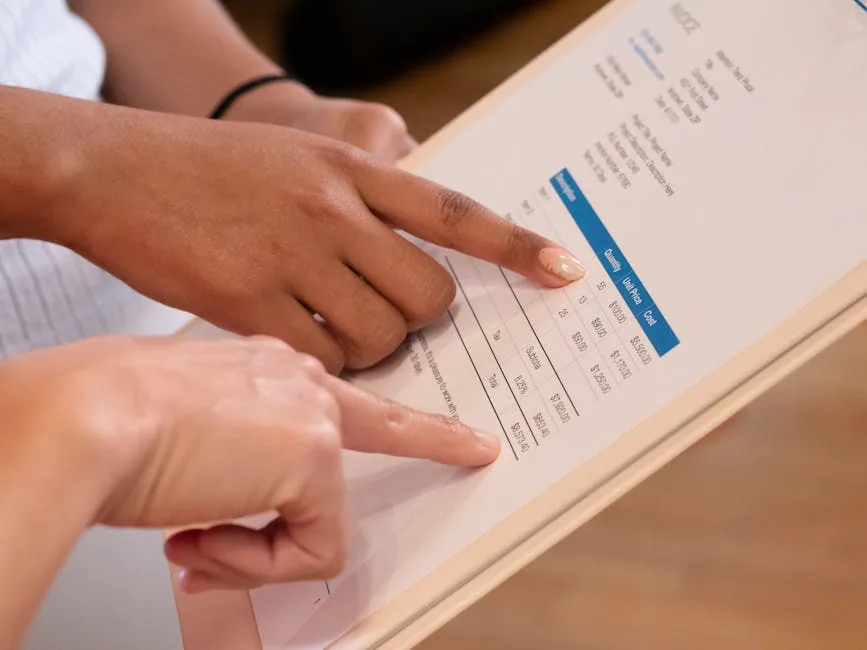
Photo by Kindel Media on Pexels
- Gather Everything: Spend two minutes collecting all your recent bills, statements, or login info for your accounts (utilities, credit cards, subscriptions, etc.).
- Choose Your Command Center: Pick one tool to be your source of truth. This could be your phone’s calendar, a notes app, a simple spreadsheet, or a dedicated bill-tracking app.
- Input Dates & Amounts: Enter every bill’s due date and the typical amount (use an estimate for variable bills) into your chosen tool. This is your master list for bill tracking.
- Set Proactive Alerts: For each due date, set a reminder for 3-5 days before it’s due. This is the core of your system to prevent missed bill due dates.
- Schedule a Weekly Money Moment: Block 5 minutes on your calendar (e.g., every Monday morning) to quickly review upcoming bills and your account balance. Link it to an existing habit, like having your first coffee.
The Real Reasons Bills Slip Through the Cracks
Understanding the “why” is key to building a system that lasts. It’s rarely simple laziness. During hectic times, a perfect storm of mental and logistical factors conspires against your financial organization.
Cognitive Overload: Your Brain’s “Too Many Tabs” Error
Busy months are defined by mental clutter. Your brain is juggling project deadlines, travel plans, family logistics, and more. When cognitive load is maxed out, non-urgent tasks—like a bill due in two weeks—get mentally filed away and forgotten. It’s not a memory failure; it’s a prioritization system overwhelmed by immediate demands.
Routine Disruption: The Habit Killer
Your normal bill-paying rhythm—maybe you always pay on the 1st—gets shattered by vacations, holidays, or unusually heavy work weeks. The environmental cues that trigger your memory are gone. Imagine it’s the week before a big trip: your mind is on packing and itineraries, not the internet bill sitting in your email.
The “Out of Sight, Out of Mind” Trap of Digital Life
Paper statements physically cluttered your space, acting as a visual reminder. Now, digital statements arrive silently in a crowded inbox and are easily archived or deleted. Without a deliberate system, they become invisible, leading directly to missed bill payments.
Simple Systems That Actually Stick
The goal isn’t a complex overhaul; it’s a low-friction method that fits your life. Here’s what works versus what often fails.

Photo by Leeloo The First on Pexels
Do:
- Use a Dedicated Email Folder: Create a “Bills to Pay” label or folder. Filter all statements there instantly. Your tracking is now in one place.
- Leverage Calendar Alerts with Persistence: Don’t just create a one-time event. Use your calendar’s reminder function to send alerts that stay on your screen until dismissed.
- Embrace Automation for Fixed Bills: For consistent amounts like your mortgage or streaming services, set up automatic bill pay through your bank. This removes the task entirely.
- Use a Single, Simple App: A basic notes app with a dedicated list can be more effective than a fancy app you never open. Consistency beats features.
Don’t:
- Rely on Memory or “I’ll Remember It”: This is the number one cause of forgetting to pay bills. Your future self is just as busy.
- Keep Due Dates Scattered: Having some in your email, some on sticky notes, and some in your head guarantees something will be missed.
- Use the “Unread” Email Flag as a System: It becomes visual noise and is too easy to ignore or lose among other unread messages.
Building a Fail-Safe Routine (Not Just Reminders)
Tools are useless without the habit to use them. A bill reminder system is the alarm clock; your routine is you getting out of bed.
The “Weekly Money Moment”
This is the non-negotiable habit. It’s that 5-minute block from the checklist. Its purpose isn’t to pay bills on the spot (though you can), but to review your command center, ensure nothing is coming up unexpectedly, and confirm funds are available. This proactive check turns stress into control.
What If You’re Still Overwhelmed?
If the sheer number of due dates is the problem, take action. Contact service providers to see if you can change your billing cycle to align with one or two key dates each month. Consolidating due dates simplifies your bill management dramatically.
Remember, the goal is progress, not perfection. A missed alert or a late payment isn’t a system failure; it’s feedback. Tweak your method. The power lies in having a system to return to, so you’re not starting from scratch every month. This is how you build lasting financial resilience against busyness.
Take Back Control, One Simple Step at a Time
Busy months are inevitable, but the financial stress of overdue bills and late fees doesn’t have to be. The solution isn’t about becoming more organized in a grand sense; it’s about implementing a single, simple system that does the remembering for you.
Start with the five-minute checklist. Choose one tool, input your dates, and set those reminders. That small investment creates a barrier between life’s chaos and your financial well-being. You’ve already done the hard part—understanding why bills get missed. Now, give your future self the gift of a little less to remember.