You started the cash envelope system with the best intentions—a neat stack of labeled envelopes, a clear plan, and the promise of finally feeling in control of your money. But now, the envelopes are a source of stress. Maybe they’re constantly empty before the month ends, or you find yourself making “exceptions” for every digital purchase, or the whole ritual just feels like a restrictive chore. If your cash envelope system isn’t working, you’re not alone, and it’s not a personal failure. The system itself is rigid, but your life isn’t. The frustration you’re feeling is usually a sign that your budget categories have become disconnected from your actual spending habits or that the 100% cash approach is clashing with a modern, digital lifestyle. The good news is that this breakdown is fixable. Let’s diagnose why the method stopped working for you and map out a practical, no-guilt reset that actually fits your life.
If your cash envelope system isn’t working, it’s usually because your budget categories are too rigid or your lifestyle has changed. The most common causes are a mismatch between your preset envelopes and real-world spending, the friction of using only cash for online bills and subscriptions, or a recent life change that your old categories don’t accommodate. The fix involves a simple audit of your actual spending and a flexible reset of your envelope categories, often by creating a hybrid system that uses cash for variable spending (like groceries and fun) while keeping fixed bills digital.
Diagnosing Why Your Cash Envelopes Stopped Working

Before you can fix envelope budgeting problems, you need to understand why your system broke down. It’s rarely a single catastrophic failure, but a slow erosion caused by a few common culprits. Identifying yours is the first step to a successful restart.
1. Your Categories Are Fighting Your Real Life
The most common reason a cash envelope system stops working is a mismatch between your neat budget categories and your messy, real-world spending. You might have allocated $200 for “Dining Out,” but that doesn’t account for the coffee runs, the vending machine snacks, or the quick lunch when you forgot your meal prep. When every small purchase feels like a “cheat,” the system creates guilt instead of control.
2. The Digital World Left Your Envelopes Behind
Modern life isn’t all cash-and-carry. Automatic bill payments, online subscriptions, and digital shopping create a “digital gap.” Your physical “Utilities” envelope sits full while your bank account is drafted for the electric bill, creating a confusing disconnect. Trying to manage these purely digital expenses with cash envelopes is often the core frustration that makes people quit.
3. Your Life Changed, But Your Envelopes Didn’t
A budget built for a single person with an office job won’t fit a new parent working from home. A pay increase, a new hobby, or even a shift in your commute can render old categories obsolete. If you’re forcing your current lifestyle into last year’s budget, you’re setting yourself up for failure.
4. The Psychological Friction Became Too High
Finally, sometimes the system itself is the problem. Feeling embarrassed using cash, constantly worrying about losing the envelopes, or the sheer feeling of deprivation when an envelope is empty can create enough mental friction to make you abandon the method entirely. The goal is financial peace, not anxiety.
The 3 Most Common Cash Envelope Mistakes (And How to Fix Them)

Photo by www.kaboompics.com on Pexels
Often, the issues with your cash envelope system not working stem from a few key setup errors. The good news? Each has a straightforward correction that can instantly make your system more functional.
Mistake 1: Copying Someone Else’s Perfect Budget
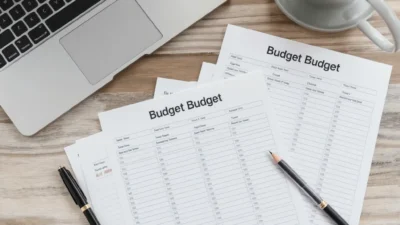
The Fix: Conduct a Personal Spending Audit. Your best budget is a mirror of your actual life. For one month, track every single expense without judgment using an app like Mint or a simple notebook. You’ll discover your true spending patterns, which is the essential data you need to build envelopes that actually fit.
Mistake 2: Having No Buffer for the Unexpected
The Fix: Create a “Life Happens” Envelope. A rigid system breaks under pressure. Designate a small amount of cash (even $20-$40) for a “Miscellaneous” or “Life Happens” envelope. This covers the unplanned drive-thru coffee, the parking meter, or the last-minute gift without forcing you to “steal” from another category and feel like you failed.
Mistake 3: Trying to Be 100% Cash in a 90% Digital World
The Fix: Adopt a Hybrid Budgeting Model. Use cash envelopes only for your variable, discretionary spending categories where you need a tangible limit—like groceries, dining, and personal fun. Keep all your fixed, digital bills (rent, subscriptions, loan payments) on autopay within your checking account. This hybrid approach acknowledges reality and removes the main point of friction.
Your Step-by-Step Reset Plan
Ready to restart cash envelopes in a way that works? Follow this practical reset plan. Think of it not as starting over, but as upgrading your system to version 2.0.
Step 1: The Strategic Pause & Observe
Formally pause your current envelope system. For one week, simply spend normally from your debit card while tracking every transaction. The goal isn’t to restrict, but to observe without the pressure of failing an outdated system. This gives you clear, current data.
Step 2: The Category Audit & Redefinition
Using your tracking data, group your spending. Which categories are truly variable and cash-friendly (Groceries, Fuel, Fun Money)? Which are fixed and digital (Netflix, Car Insurance)? Now, redefine your envelopes. Make them broader if needed—instead of “Gas,” “Groceries,” and “Household,” maybe one “Weekly Essentials” envelope works better for your shopping style.
Step 3: Build Your Hybrid Bridge
Formally decide which parts of your budget live in the digital world and which get cash envelopes. A common and effective split is to use cash for all daily discretionary spending, while automated bills and savings are handled digitally. This clarity alone can fix envelope budgeting problems caused by the digital gap.
Step 4: Institute a Weekly “Cash Day” Ritual
Choose one day per week (e.g., Sunday afternoon) to withdraw your cash and fill your envelopes. This ritual takes 10 minutes and mentally resets your budget for the week ahead. It turns a chore into a conscious, empowering habit that reinforces your new plan.
Making Your New System Stick for Good
A reset only works if it lasts. These preventive strategies will help your new, flexible system adapt with you and avoid another breakdown.
Schedule a monthly 15-minute “budget check-in.” Look at your envelopes: Which ones are consistently empty too soon? Which ones always have money left over? This isn’t failure—it’s feedback. Adjust the amounts next month. Allow yourself to “roll over” small amounts in categories, or use paper clips to divide an envelope into sub-categories for more granular control.
Most importantly, give any change a 90-day trial period. The first month will feel awkward, the second will start to feel normal, and by the third, you’ll know if this new configuration truly fits your life. Remember, the ultimate goal of the cash envelope method isn’t perfect cash use; it’s heightened financial awareness and intentional spending. If your system gives you that, even with a hybrid approach, it’s working.
Your Budget, Your Rules
The cash envelope system is a tool, not a doctrine. Its purpose is to serve your financial goals and reduce your stress, not add to it. If your cash envelope system is not working, that’s a sign the tool needs adjustment—not that you’ve failed. By diagnosing the real friction points, fixing the common setup mistakes, and implementing a flexible, hybrid reset, you build a system that works for your life. Start with the one-week pause today. Progress, not perfection, is what leads to lasting control.